What Usually Prompts a Homeowner to Replace a Garage Door Rather Than Repair It

A garage door is one of the largest moving components of a home, providing security, convenience, and contributing significantly to curb appeal. While many issues can be resolved with routine maintenance or repairs, there comes a point when replacement becomes the more practical and cost-effective option. Homeowners researching garage doors Auckland are often weighing the benefits of repairing an existing door against investing in a completely new system. Understanding the factors that influence this decision can help property owners make informed choices that improve both the functionality and appearance of their homes.
Replace a garage door too early and you waste money; replace it too late and you live with noise, drafts and breakdowns — the skill is spotting when the balance tips.
When Repairs Become More Frequent Than Practical
Every garage door experiences wear over time. Springs lose tension, rollers wear out, cables age, and tracks may become misaligned through years of regular use.
Occasional repairs are expected, but repeated service calls can indicate that the entire system is approaching the end of its lifespan.
If homeowners find themselves scheduling repairs several times within a short period, the cumulative cost may begin to exceed the value of keeping the existing door. In these situations, replacing the entire system often provides better long-term reliability and reduces ongoing maintenance expenses.
Structural Damage Can Affect More Than Appearance
Garage doors are designed to withstand daily operation and changing weather conditions, but accidents and environmental factors can cause significant structural damage.
Common causes include:
- Vehicle impacts
- Strong winds
- Falling tree branches
- Corrosion
- Moisture damage
- General ageing
Minor dents can often be repaired, but extensive damage may compromise the door’s structural integrity, making replacement the safer and more effective solution.
A damaged frame or severely warped panels can also place additional strain on the operating mechanism, leading to further mechanical issues over time.
Outdated Designs May No Longer Suit the Property
Homeowners frequently renovate the exterior of their homes to improve appearance and increase property value.
New roofing, updated cladding, fresh paint, or modern landscaping can make an older garage door stand out for the wrong reasons.
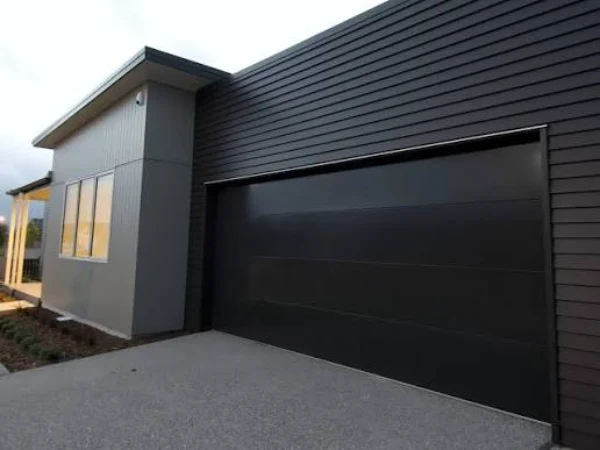
Replacing the garage door allows homeowners to create a more cohesive exterior design by selecting styles, colours, and materials that complement the property’s updated architecture.
This visual improvement often enhances curb appeal while contributing positively to the home’s overall presentation.
Modern Safety Features Offer Greater Protection
Garage door technology has advanced considerably over the years.
Older systems may lack important safety features that are now considered standard, including:
- Automatic obstacle detection
- Auto-reverse mechanisms
- Improved locking systems
- Enhanced motion sensors
- Secure remote access
Replacing an outdated garage door provides an opportunity to upgrade both safety and convenience while reducing potential risks for family members and visitors.
Rising Energy Efficiency Expectations
Many modern homes place greater emphasis on energy efficiency than in previous decades.
Older garage doors often provide limited insulation, allowing heat and cold to transfer more easily between the garage and adjacent living areas.
Replacing the door with an insulated model can offer benefits such as:
- Improved indoor temperature stability
- Reduced heat transfer
- Greater comfort in attached garages
- Enhanced energy efficiency
- Quieter operation
These improvements become particularly valuable when garages share walls with living spaces or are used as workshops or home gyms.
Excessive Noise Can Signal Ageing Components
Garage doors naturally produce some operational sound, but excessive noise often indicates ageing or deteriorating components.
Grinding, rattling, squeaking, or banging may result from:
- Worn rollers
- Damaged tracks
- Ageing hinges
- Loose hardware
- Motor wear
While individual components can sometimes be replaced, persistent noise affecting multiple parts may suggest the system has reached the point where replacement offers a more comprehensive solution.
Modern garage doors generally operate much more quietly due to improved engineering and higher-quality materials.
Replacement Can Reduce Ongoing Maintenance
Older garage doors often require increasing amounts of maintenance to remain functional.
Tasks may include:
- Frequent lubrication
- Hardware tightening
- Rust treatment
- Panel repairs
- Cable replacement
- Spring adjustments
Newer garage door systems are designed with improved materials and engineering that reduce maintenance requirements while offering greater durability.
Many homeowners appreciate the long-term convenience of a system that requires less frequent servicing.
Keeping a simple log of every repair — date, fault and cost — makes the pattern visible; once the yearly total climbs, the case to replace a garage door usually makes itself.
Technology Has Changed Everyday Convenience
Today’s garage doors incorporate features that were unavailable in older models.
Modern systems may include:
- Smartphone connectivity
- Remote monitoring
- Battery backup systems
- Wi-Fi integration
- Smart home compatibility
- Programmable access controls
These innovations improve daily convenience while providing greater control over home access and security.
Replacing an ageing garage door often introduces technology that aligns with the needs of contemporary households.
Property Value and Buyer Appeal
Garage doors have become an important element of a home’s exterior appearance.
Because they often occupy a prominent position on the front façade, they influence first impressions for visitors and prospective buyers.
A new garage door can contribute to:
- Improved curb appeal
- Updated architectural style
- Greater perceived property value
- Enhanced buyer confidence
- Better overall presentation
For homeowners considering selling in the future, replacing an ageing garage door may strengthen the property’s market appeal.
Considering the Long-Term Cost
Repairing an existing garage door is often the most economical option for isolated issues.
However, when multiple components begin failing simultaneously, replacement may offer better value over time.
Homeowners often compare:
- Ongoing repair costs
- Expected remaining lifespan
- Maintenance requirements
- Energy efficiency improvements
- Safety upgrades
- Warranty coverage
Taking a long-term perspective helps ensure financial decisions support both reliability and future savings. For a full breakdown of home renovation costs and planning, see our complete guide.
Knowing When Replacement Is the Smarter Choice
Deciding between repairing and replacing a garage door involves more than addressing a single fault. Homeowners typically consider the age of the system, the frequency of repairs, structural condition, safety features, energy efficiency, and how well the existing door complements the home’s appearance.
While repairs remain an effective solution for many minor problems, there are situations where investing in a new garage door delivers greater reliability, improved functionality, enhanced security, and stronger visual appeal. By carefully evaluating both immediate needs and long-term benefits, homeowners can choose the option that provides lasting value while supporting the overall comfort, safety, and appearance of their property.
In short, homeowners replace a garage door when repairs stop buying reliability and start buying only time. For background on how these doors work, Wikipedia’s article on garage doors explains the common types and mechanisms — useful context before you replace a garage door for good.
Related Guides
Keep exploring — these home and garden guides cover kitchens, ponds, roofing, heating and more:
- Classic Quartz Countertops: Timeless Style for Modern Kitchens
- Floating Fountains for Ponds: Types, Benefits, and Selection Tips
- Floating Pond Fountain Benefits: Improve Water Quality and Enhance Your Landscape
- Grape Vines: How to Grow, Train and Care for Healthy Plants
- Asphalt Shingle Roofing in Houston: Benefits, Durability, and Maintenance Guide
- Electric Panel Upgrade in Fountain Hills: Signs Your Home Needs an Electrical Upgrade
- Furnace Maintenance: Preventive Care for Better Heating Performance
- Metal Building Maintenance: A Complete Seasonal Guide
- How to Clean Hardwood Floors Without Dulling the Finish
- How to Remove Wallpaper Glue: Methods That Work, From Hot Water to Steam
- How to Fix Flickering Lights: Causes, Safe Fixes and Warning Signs
- How to Secure Sliding Doors: Locks, Bars, and Anti-Lift Fixes That Actually Work