

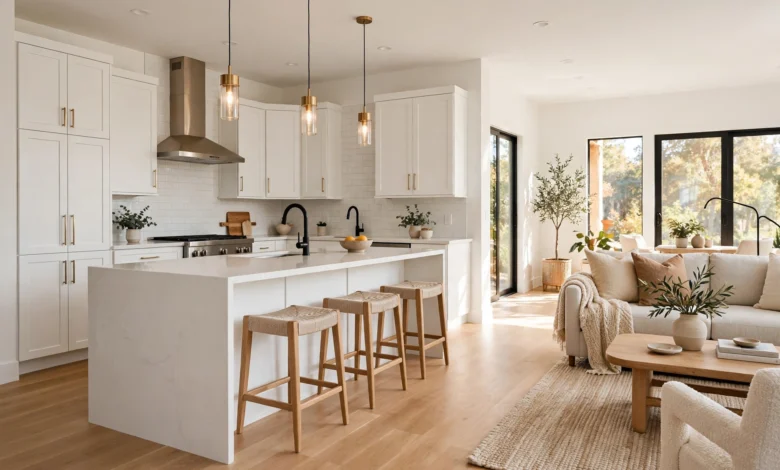
A home renovation is the process of repairing, updating, and improving a house you already own. It can mean fresh paint and new floors in one room. It can also mean a gutted kitchen or a rebuilt bathroom. The short version of doing one well looks like this. Price the work with real numbers, because costs run from about $15 per square foot for cosmetic updates to $150 or more for a gut renovation.
Hold back 10 to 20 percent of the budget for surprises hidden inside the walls. Hire licensed home renovation contractors for structural, plumbing, and electrical work. Pull permits before anyone starts demolition. This guide covers the full journey: current home renovation costs, the ideas that return the most value, a step-by-step checklist, how to choose a contractor, and the loan options homeowners actually use.
What Is a Home Renovation?
Renovation means updating or restoring a space while keeping its basic structure and layout. You repair what is worn out. You replace finishes, fixtures, and surfaces. At the end, the room is still the same room, only fresher and more functional.
Remodeling goes one step further. A remodel changes the structure, layout, or purpose of a space. Knocking down a wall between the kitchen and dining room is remodeling. Turning a garage into a bedroom is remodeling too.
Restoration is the third term, and it is the narrowest. Restoration returns a home to an earlier condition, often its original one. Owners of historic houses restore period details. Most homeowners renovate or remodel instead.
These are not just vocabulary points. The scope of your project decides which permits you need and which professionals to hire. Cosmetic renovation rarely needs a permit. Structural remodeling almost always does, and inspectors will check the work as it progresses.
Even a light cosmetic renovation starts with unglamorous prep. Old wallpaper has to come down before paint goes up, and the paste underneath has to come off completely. Paint will not bond over leftover adhesive, so removing wallpaper glue properly is one of those small steps that decides whether the finish lasts.
How Much Does a Home Renovation Cost?
There is no single average price, because scope matters more than size. Houzz surveyed more than 10,000 U.S. homeowners about projects completed in 2025. The median spend was $20,000 across all renovation project types. The top 10 percent of homeowners spent $150,000 or more. So treat any single “average cost” figure with suspicion, and plan with ranges instead.
The most useful way to estimate is cost per square foot, matched to how deep the work goes:
| Renovation depth | Cost per sq. ft. | Example: 2,000 sq. ft. home | Typical scope |
|---|---|---|---|
| Light or cosmetic refresh | $15–$30 | $30,000–$60,000 | Paint, flooring, fixtures, surface updates |
| Midrange, multi-room | $30–$60 | $60,000–$120,000 | Kitchen or bathrooms, new finishes, limited system work |
| Gut or high-complexity | $60–$150+ | $120,000–$300,000+ | Walls opened, layouts changed, systems replaced |
Notice what the table implies. A small bathroom can cost more than a large bedroom. Wet rooms pack plumbing, waterproofing, tile, and licensed labor into a few square feet. Dry rooms like bedrooms and living rooms sit at the cheap end, often $10 to $40 per square foot. Location shifts every number too, since labor in major metro areas runs well above smaller markets.
Kitchen renovation costs
The kitchen is where renovation budgets concentrate. In the 2025 Cost vs. Value Report, a minor kitchen remodel averaged $28,458 nationally. That project keeps the existing layout. It refreshes cabinet fronts, counters, appliances, and flooring rather than replacing everything. A major midrange kitchen remodel, with new semi-custom cabinets and a fuller replacement, runs to roughly $83,000 on the same report’s scale. Upscale kitchen projects pass $160,000. The jump between those tiers is mostly layout changes, cabinet quality, and appliance choices.
Bathroom renovation costs
A bathroom renovation commonly lands between $10,000 and $30,000 for a midrange result. Small bathrooms with fixture swaps sit at the low end. Costs climb fast when plumbing moves, because every moved drain or supply line adds licensed labor and inspection steps. A midrange bathroom remodel typically returns about 50 to 70 percent of its cost at resale. That is a respectable return for an interior project, and the daily comfort arrives immediately.
The costs people forget to budget
The contractor’s quote is only one line in the real total. Permit fees vary by city and project size. Design help costs money too, whether that is an architect for drawings or a designer for finishes. Demolition debris has to go somewhere, and dumpster or disposal fees surprise many first-time renovators. Big projects can also mean temporary housing, storage, or eating out for weeks without a kitchen. Finally, hold a contingency of 10 to 20 percent of the total budget. Older homes deserve the top of that range, because their walls hide more surprises.
Home Renovation Ideas That Return the Most Value
If you plan to sell within a few years, the return data points in a clear direction. In the 2025 Cost vs. Value Report, eight of the ten best-returning projects were exterior replacements. A garage door replacement cost $4,672 on average and recouped 267.7 percent of that cost at resale. A steel entry door replacement recouped 216.4 percent. Manufactured stone veneer returned 207.9 percent. Fiber-cement siding replacement returned 113.7 percent. The minor kitchen remodel was the only interior project in the top five, recouping 112.9 percent.
Three lessons hide in those numbers. First, curb appeal is what buyers see and what appraisers reward. Second, replacement projects beat expansion projects, because they fix what exists instead of adding expensive new space. Third, modest projects return a higher share than lavish ones. The major kitchen remodel mentioned above returns only about half its cost at resale, while the minor version returns more than it costs.
One warning matters as much as the rankings. Do not renovate far past the value of your street. If nearby homes sell for $300,000 to $350,000, pushing your home toward $400,000 in value rarely pays back. Appraisals lean on comparable local sales. Spend enough to sit at the top of your neighborhood range, not above it. Interior projects make the most sense when you plan to stay and enjoy them for years.
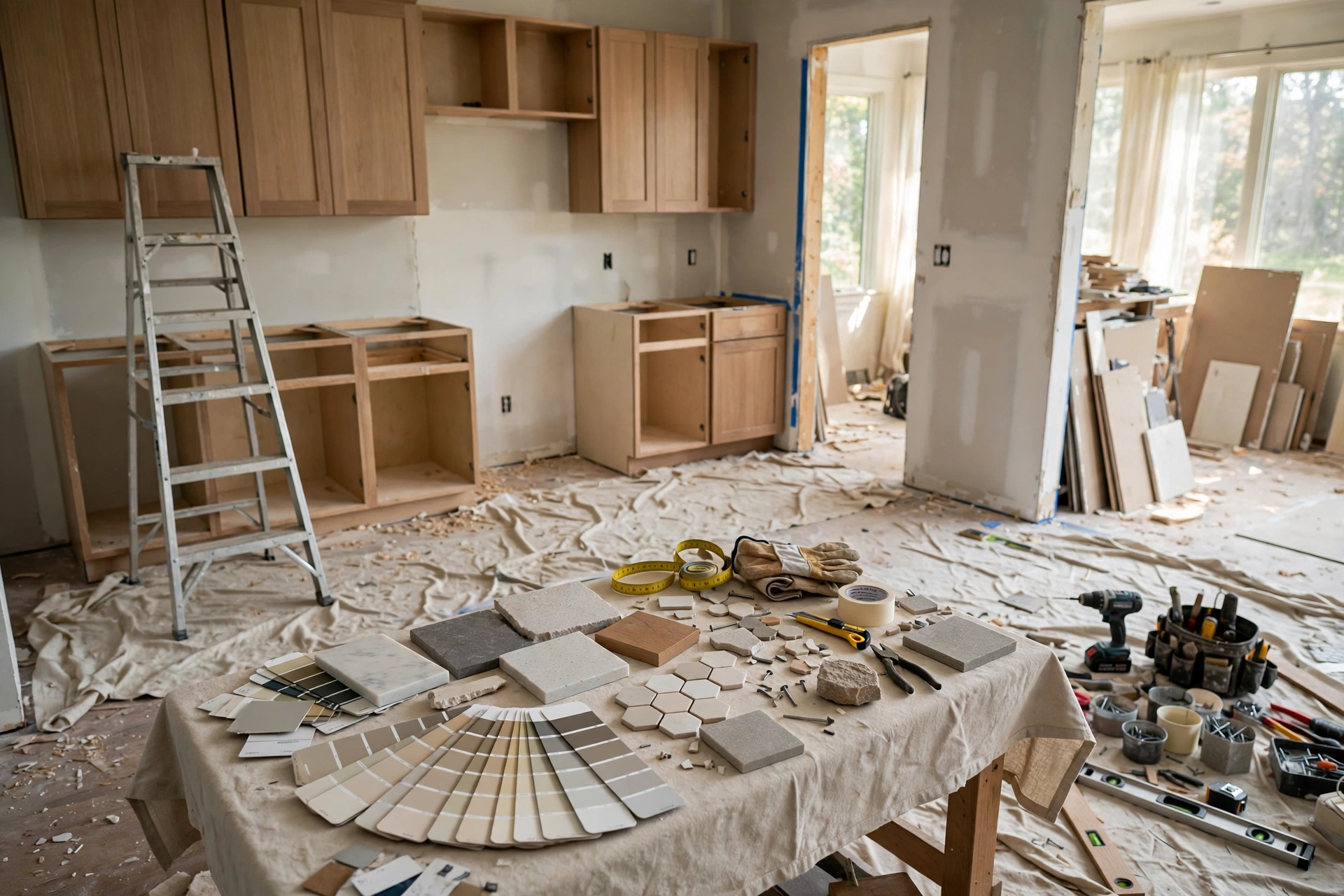
Home Renovation Checklist: From First Idea to Final Walkthrough
Good renovations run in a set order. Skipping steps early creates expensive corrections later.
Step 1: Define the problem before the finishes
Start with what is wrong, not what looks dated. A kitchen with a broken layout needs a different project than a kitchen with tired cabinets. Write down the problems first. Then match finishes and ideas to that list. This order protects the budget, because every later decision can be tested against the original problems.
Step 2: Set the budget, then add the contingency
Use the per-square-foot ranges above for a first estimate. Get it on paper before talking to contractors. Then add the contingency on top, 10 percent for newer homes and up to 20 percent for older ones. The contingency is not padding for upgrades. It exists for the rotten subfloor, the outdated wiring, and the pipe that crumbles when touched.
Step 3: Bring in design help where the project needs it
Structural work and permit applications usually need an architect or another qualified designer to produce drawings. A designer earns their fee on layout, lighting, and finish decisions that are expensive to change later. Small cosmetic projects often need neither. Match the help to the scope, and involve them early, not after demolition.
Step 4: Check permits before anyone starts
Structural changes, electrical work, and plumbing work generally require permits and inspections. Paint, flooring, and like-for-like fixture swaps usually do not. Rules differ by city and county, so confirm with your local building department. Unpermitted work can stall a future sale, and it can force you to open finished walls for inspection.
Step 5: Hire the contractor and sign a real contract
The next section covers this in detail. The short version: three estimates, verified license and insurance, references, and a written contract. Payments should follow completed milestones, not calendar dates.
Step 6: Order materials before demolition
Cabinets, windows, and specialty tile can take weeks or months to arrive. Demolishing first and ordering second leaves you living in a construction zone with no end date. Confirm delivery timelines before the old room comes apart. Store materials safely on site or keep them at the supplier until each phase needs them.
Step 7: Plan the timeline, and where you will live
Planning and design commonly take one to three months. Permits can add weeks or months on top. Demolition itself is fast, often one to two weeks. Construction runs from a few weeks for one room to several months for a multi-room project. Finishing work and the final walkthrough close the job. Decide early whether you can live in the home during the noisy middle, which the last sections of this guide cover.
How to Choose Home Renovation Contractors
The contractor decision shapes the whole project. Price matters, but the cheapest bid with a long list of exclusions is rarely the cheapest job. Compare what each quote actually includes: permits, disposal, materials, and finish quality. Three detailed estimates show you the real market rate for your scope.
Verify the basics before signing anything. The contractor should hold a current license for your area. They should carry liability insurance and workers’ compensation coverage. Ask for references from recent projects similar to yours, and actually call them. A written contract should state the scope, the total price or how it is calculated, the timeline, and the payment schedule.
Questions to ask before you sign
- How long have you been in business?
- How many projects like mine did you complete in the past year?
- Who will supervise the work on site each day?
- Are the workers your employees or subcontractors?
- Do you carry liability insurance and workers’ compensation?
- Can I speak with recent clients, not just your chosen references?
- Is this a fixed price, and how are changes priced and approved?
- What does the payment schedule look like, milestone by milestone?
Watch the answers for red flags. A demand for a very large deposit before work starts is a common warning sign. So is a quote that stays vague about scope, or pressure to sign quickly. Good contractors answer these questions without hesitation, because they get asked on every job.
Kitchen Renovation: Where the Budget Concentrates
A kitchen renovation succeeds or fails on layout. The classic guide is the work triangle, the path between the stove, the sink, and the refrigerator. Short, clear paths make a kitchen feel easy to cook in. No countertop upgrade can fix a layout that fights you every day.
Money follows a pattern in kitchens. Cabinets are usually the single largest line item. Appliances and countertops come next. The biggest cost lever, though, is moving things. Keeping the sink, stove, and dishwasher on their existing plumbing and gas lines avoids the most expensive labor in the room. That is exactly why the minor kitchen remodel performs so well in return data. It refreshes surfaces and storage while leaving the costly infrastructure untouched.
Flooring deserves a decision early, because it runs under everything. Wood floors remain a popular kitchen choice for their warmth, but they ask for the right care afterward. If your renovation includes new hardwood, learn how to clean hardwood floors correctly from day one, since the wrong cleaner can dull the finish within a year. Whatever material you choose, order it before demolition, and buy a little extra for cuts and future repairs.
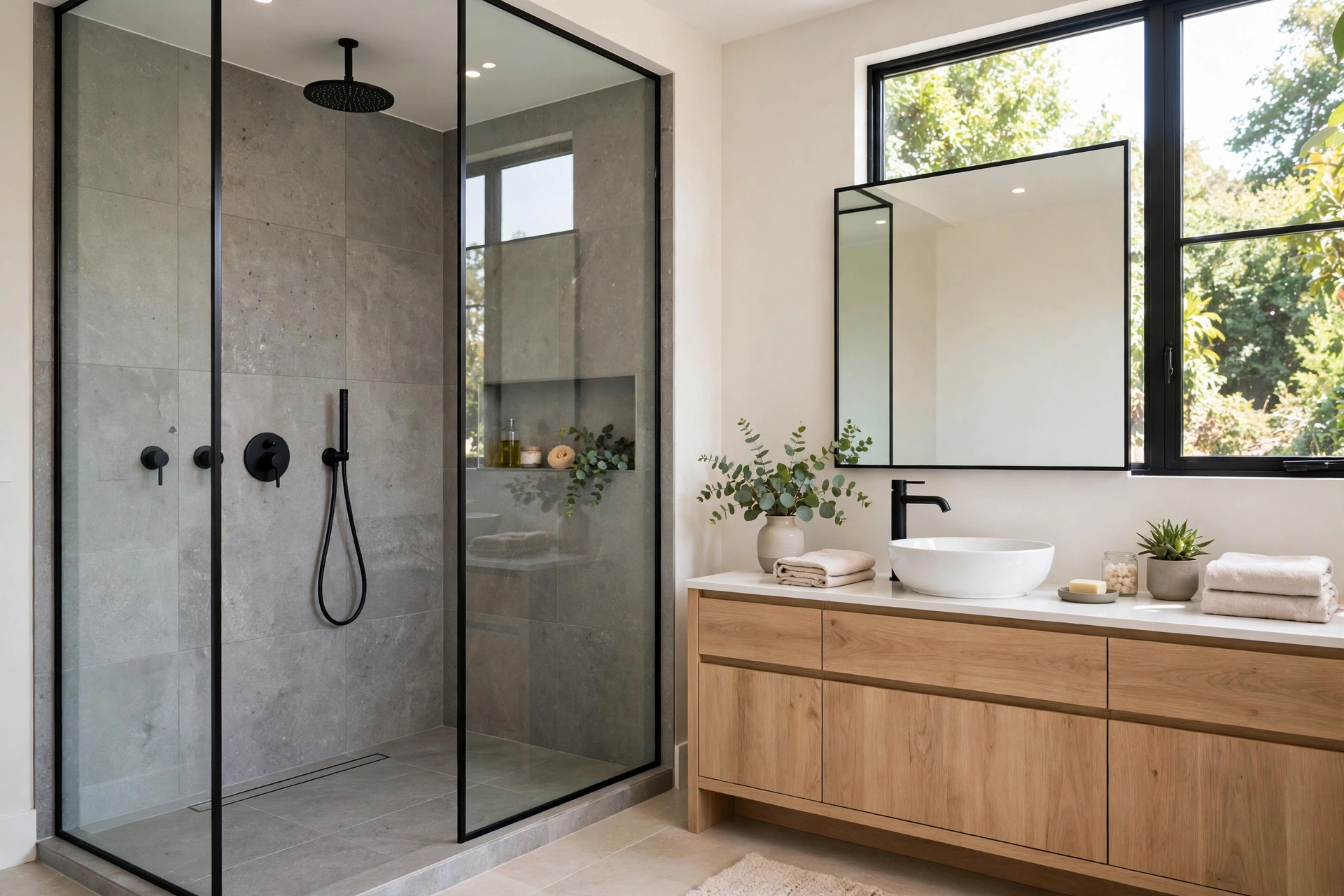
Bathroom Renovation: A Small Room With Dense Costs
A bathroom renovation packs more trades into less space than any other project. Plumbers, electricians, tilers, and sometimes waterproofing specialists all work in one small room. That density is why bathroom costs per square foot beat almost every other space in the house.
Two hidden systems decide whether the renovation lasts. The first is waterproofing. Tile and grout alone are not a waterproofing system. The surfaces behind and beneath them need a proper membrane, installed to the manufacturer’s instructions. The second is ventilation. An exhaust fan sized for the room, vented outdoors, removes the humid air that causes mold and peeling paint. Skipping either system saves a little money now and buys a second renovation later.
As with kitchens, moving fixtures is the budget jump. A toilet, tub, or shower that stays in place keeps the plumbing bill contained. Shifting a drain even a few feet can mean opening floors and reframing. Spend first on waterproofing, ventilation, and solid fixtures. Spend on decorative tile after those are funded.
Home Renovation Loans: How Homeowners Pay for Big Projects
Savings pay for small projects. Larger renovations usually need financing, and home renovation loans come in several distinct forms. The right one depends on your equity, your timeline, and whether you are buying the home or already living in it.
HELOC: borrow as the project unfolds
A home equity line of credit, or HELOC, is a revolving credit line secured by your home. You draw money as bills arrive and pay interest only on what you have drawn. That flexibility suits phased renovations, where costs land over months. The trade-off is a variable rate, so payments can rise. Lenders also expect you to keep a cushion of equity in the home after the line is counted.
Home equity loan: one lump sum, fixed payments
A home equity loan works differently. You receive one lump sum at a fixed rate, with set monthly payments. That predictability suits a single project with a firm contract price. You know the full cost of borrowing on day one. The risk is the same as any secured loan: your home stands behind the debt.
Renovation mortgages: FHA 203(k) and Fannie Mae HomeStyle
Renovation mortgages fold the purchase price and the renovation cost into one loan. The FHA 203(k) program allows a down payment as low as 3.5 percent, with credit scores from around 580. Its Limited version covers non-structural work up to $35,000. The Standard version handles structural projects and requires a HUD consultant to oversee the plans. Fannie Mae’s HomeStyle loan is the conventional counterpart. It asks for a slightly higher credit score, around 620, and allows a wider range of improvements. Both programs release funds in stages, as inspected work is completed.
Cash-out refinance and personal loans
A cash-out refinance replaces your current mortgage with a larger one and pays you the difference in cash. It makes sense when the new rate compares well with your existing one. A personal loan sits at the other end of the scale. It is unsecured, funds quickly, and needs no equity. Rates run higher and terms run shorter, so personal loans fit smaller projects best. Whichever route you choose, remember that equity-based borrowing puts the home at risk if payments fail. Borrow for the renovation you need, not the largest amount a lender offers.
Mistakes That Blow a Renovation Budget
Scope creep after signing. Contractors and designers consistently name this the top cause of blown budgets. Each small addition looks harmless alone. Together they can add a third to the contract price. Price every change in writing before the work happens, not after.
Design decisions during construction. Choosing tile, fixtures, or layouts while trades wait on site adds cost and delay at the worst possible moment. Decide everything you can before demolition. A decision made calmly in the planning phase is cheaper than the same decision made under pressure.
Choosing the lowest quote blind. A low bid often hides a long exclusion list. Permits, disposal, appliances, or finish work may sit outside the number. The job then costs the same as the higher bids, plus friction. Compare inclusions, not just totals.
Skipping the contingency. Renovations open walls, and walls hide history. Old wiring, slow leaks, and rot show up in homes of every age. If lights start flickering after electrical work, treat it as a warning sign rather than a quirk. Our guide to how to fix flickering lights explains which patterns are harmless and which need an electrician fast.
Over-improving for the neighborhood. The most expensive mistake is also the slowest to appear. A renovation that lifts your home far above nearby values may never repay the difference. Check recent sales on your street before finalizing the budget.
Can You Live in the House During a Renovation?
Often, yes, for cosmetic work and single-room projects. Paint, flooring, and a bathroom refresh are disruptive but survivable with planning. You need one working bathroom and a plan for dust. Contractors can seal work zones with plastic and protect floors along walking paths.
Kitchen projects are the harder test. A full kitchen renovation can leave you without cooking, water, or a sink for weeks. Many households set up a temporary kitchen with a microwave, a kettle, and a washing-up bowl elsewhere. That works for a few weeks. It wears thin after that.
For gut renovations and structural work, moving out is usually the wiser choice. Water and power shut off for whole days. Noise and dust reach every room. Living elsewhere can even shorten the job, because trades work faster in an empty house. Weigh the cost of temporary housing against the cost of extra weeks on the schedule.
Frequently Asked Questions
How long does a home renovation take?
Plan on weeks for a single room and months for a whole home. A cosmetic room refresh often finishes in two to six weeks. A kitchen or bathroom usually takes six to twelve weeks of construction. Multi-room and gut projects run three to six months or longer. Planning, design, and permits happen before all of that, and they commonly add one to three months.
Do I need a permit for a home renovation?
Usually, yes, for structural, electrical, and plumbing work. Moving walls, adding circuits, and rerouting pipes all sit in permit territory. Cosmetic work rarely needs one. Painting, laying flooring, and swapping fixtures like-for-like are normally permit-free. Your local building department has the final word, and a quick check before you start costs nothing.
Should I hire an architect or an interior designer?
They do different jobs. An architect produces the technical drawings that permits and builders rely on, especially for structural changes. A designer shapes layout details, lighting, and finishes. Large renovations often use both, with the architect first. Small cosmetic projects may need neither, while a kitchen or bathroom benefits from a designer’s eye on layout and materials.
How do I set a realistic renovation budget?
Start with the per-square-foot ranges for your project’s depth. Then get three detailed estimates and compare what each includes. Add a contingency of 10 to 20 percent on top of the contract price. Finally, test the total against your neighborhood. If the project pushes your home’s value far past nearby sales, trim the scope before you sign anything.
Can I do my own home renovation, or should I hire contractors?
Both, usually, split by risk. Painting, tiling a backsplash, and fitting shelves sit within reach of a careful DIYer. Structural work, gas lines, and most electrical and plumbing work belong to licensed professionals. Those trades carry safety risks and permit requirements. Many homeowners do the demolition and the finishing touches themselves, and hire out everything in between.
Is a home renovation worth it if I plan to sell soon?
It depends on the project. Exterior replacements and a minor kitchen refresh return the strongest share of their cost at resale. Major interior remodels return much less, sometimes near half. If you will sell within a year or two, favor repairs, curb appeal, and light refreshes. Save the dream kitchen for a home you plan to live in and enjoy.
Related Guides
Once the structure is sorted, the finishing touches make it home — see how purple throw blankets add comfort and style to modern homes.
Planning the heart of the home? See how Z-Line appliance packages simplify modern kitchen design.
Choosing surfaces? Read 8 expert tips for choosing the perfect quartz worktops in Essex.
Home Renovation Guides
- Classic Quartz Countertops: Timeless Style for Modern Kitchens
- Kitchen Hood Maintenance: How to Clean It Safely
- Under-Cabinet Range Hood 30-Inch Buying Guide
- Electric Panel Upgrade: Signs Your Home Needs an Electrical Upgrade
- Asphalt Shingle Roofing in Houston
- What Prompts a Homeowner to Replace a Garage Door Rather Than Repair It