
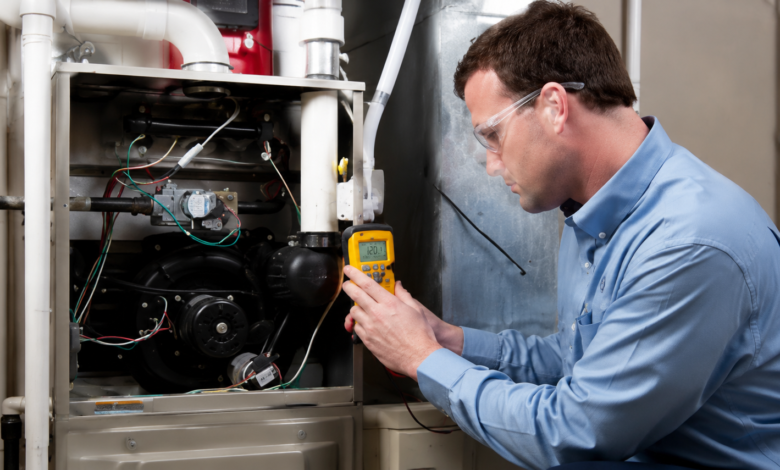
Keeping your heating system in excellent condition starts with regular furnace maintenance. While many homeowners only think about their furnace when it stops working, preventive maintenance plays a major role in avoiding costly repairs and maintaining consistent indoor comfort. A properly maintained furnace operates more efficiently, lasts longer, and provides dependable warmth throughout the heating season.
Whether your furnace is new or has been in service for years, routine maintenance helps ensure it performs at its best when you need it most.
The Importance of Furnace Maintenance
Every heating cycle places stress on a furnace’s internal components. Dust accumulates, filters become clogged, and moving parts experience gradual wear. Regular furnace maintenance addresses these issues before they affect system performance.
Preventive care also helps identify small concerns early, reducing the chances of unexpected breakdowns during periods of heavy use.
Advantages of Routine Furnace Maintenance
Homeowners who schedule consistent furnace maintenance often experience several long-term benefits.
Improved Heating Efficiency
A clean and properly maintained furnace requires less energy to produce the same level of comfort. Improved efficiency can help reduce heating costs throughout the winter.
Greater System Reliability
Routine inspections help uncover worn or aging components before they fail, making the heating system more dependable.
Longer Equipment Life
Reducing unnecessary wear allows major furnace components to function effectively for a longer period, extending the overall lifespan of the unit.
Better Indoor Air Quality
Replacing filters and cleaning furnace components helps reduce dust, allergens, and airborne particles that circulate through the home.
Essential Furnace Maintenance Tasks
Several simple maintenance practices contribute to better heating performance.
Replace Air Filters
One of the easiest yet most effective furnace maintenance tasks is replacing dirty air filters. Clean filters improve airflow and reduce strain on the blower motor.
Keep Air Vents Open
Ensure that supply and return vents remain free from obstructions such as furniture, rugs, or curtains. Proper airflow allows the furnace to distribute heat evenly.
Inspect the Thermostat
A properly functioning thermostat ensures accurate temperature control and prevents unnecessary furnace cycling.
Clean Around the Furnace
Keep the surrounding area free of dust, storage items, and debris to promote proper ventilation and safe operation.
Listen for Performance Changes
Pay attention to unusual noises, vibrations, or longer heating cycles. These early warning signs often indicate that maintenance or minor repairs are needed.
Signs Furnace Maintenance Is Needed
Your heating system may already be showing symptoms that routine furnace maintenance is overdue.
Common signs include:
- Uneven heating throughout the home
- Weak airflow from vents
- Frequent on-and-off cycling
- Rising energy bills
- Increased indoor dust
- Unusual operating noises
- Longer heating cycles than normal
Responding to these signs early helps maintain efficient operation and reduces the risk of expensive repairs.
Best Time to Schedule Furnace Maintenance
The ideal time for furnace maintenance is before the heating season begins. Scheduling service in early autumn gives homeowners confidence that the furnace is ready for continuous winter operation.
However, maintenance remains valuable at any time of year if the system has not been inspected recently.
Simple Habits That Support Furnace Performance
In addition to scheduled maintenance, homeowners can improve furnace efficiency by following a few everyday practices.
Change Filters on Time
Check filters regularly and replace them whenever they become dirty.
Keep Registers Clean
Vacuum supply and return vents periodically to prevent dust buildup.
Maintain Consistent Thermostat Settings
Avoid frequent temperature adjustments that cause unnecessary furnace cycling.
Monitor Energy Usage
Sudden increases in heating costs often indicate declining furnace efficiency and should not be ignored.
Conclusion
Regular furnace repair is one of the most effective ways to improve heating efficiency, reduce operating costs, and extend the life of your furnace. By replacing filters, keeping vents clear, monitoring system performance, and scheduling annual inspections, homeowners can enjoy dependable comfort throughout the heating season. A proactive maintenance routine not only minimizes unexpected breakdowns but also helps ensure reliable warmth for years to come.