
Metal buildings are prized for their durability, but that durability isn’t automatic — it depends on consistent upkeep. Regular metal building maintenance is what separates a structure that lasts decades from one that develops costly problems within just a few years. Whether the building is used for storage, agriculture, or commercial operations, understanding what maintenance actually involves helps owners protect their investment and avoid unexpected repair bills.
Why Metal Building Maintenance Matters
Steel and metal structures are engineered to withstand heavy loads, extreme weather, and years of daily use. However, exposure to moisture, temperature swings, and general wear can still take a toll over time. Rust, loose fasteners, sealant failure, and drainage issues are among the most common problems that develop when maintenance is neglected. Catching these issues early through routine metal building maintenance is far less expensive than addressing structural damage after it has already spread.
Key Areas to Inspect Regularly
A thorough maintenance routine should cover several critical components of the structure:
Roof and Gutters
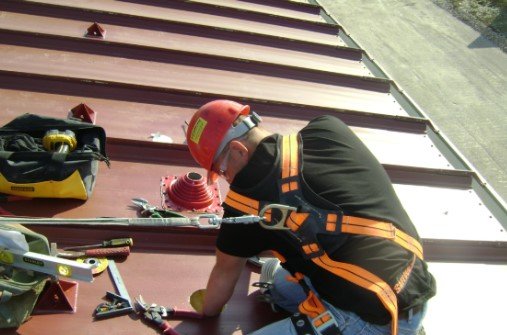
The roof takes the brunt of weather exposure, so it should be inspected at least twice a year for signs of rust, loose panels, or damaged flashing. Gutters and downspouts should be kept clear of debris to prevent water pooling, which can lead to corrosion or leaks over time.
Wall Panels and Seams
Exterior wall panels should be checked for dents, scratches, or gaps in the seams. Small breaches in the panel seams can allow moisture infiltration, which accelerates rust formation. Sealant around seams and fasteners tends to degrade with age and may need reapplication every few years.
Fasteners and Framing
Bolts, screws, and other fasteners can loosen due to thermal expansion and contraction. A visual inspection should confirm that all fasteners are tight and free of corrosion. The internal steel framing should also be checked periodically, particularly in areas prone to condensation.
Doors, Windows, and Ventilation
Moving components like doors and windows should operate smoothly, with weatherstripping intact to prevent drafts and moisture entry. Ventilation systems should be checked to ensure proper airflow, which helps control humidity levels inside the structure and reduces the risk of interior condensation damage.
Seasonal Maintenance Considerations
Different seasons bring different risks. In colder months, snow and ice accumulation can add significant weight to roofing systems, so monitoring load levels is important in regions with heavy snowfall. Spring and fall are ideal times for comprehensive inspections, since moderate weather makes it easier to identify wear from the previous season and prepare for the next. During summer, higher humidity and heat can accelerate coating breakdown, making it a good time to check paint and protective finishes.
The Cost of Skipping Maintenance
Deferred maintenance is one of the leading causes of premature structural failure in metal buildings. Small issues, such as a minor rust spot or a loose panel, can escalate into major repairs if left unaddressed. Beyond the financial cost, neglected maintenance can also compromise the structural integrity of the building, creating safety risks for anyone using the space. A consistent maintenance schedule, even a simple checklist reviewed a few times a year, significantly reduces these risks.
Building a Maintenance Schedule
An effective plan typically includes:
- A biannual full inspection covering roof, walls, and framing
- Monthly visual checks of gutters, drainage, and door seals
- Annual reapplication of sealant or touch-up coatings as needed
- Documentation of any repairs or replacements for future reference
Keeping records over time also helps identify recurring problem areas, allowing for more targeted maintenance efforts in the future.
Conclusion
Consistent metal building maintenance is one of the most practical ways to extend the lifespan of a structure and avoid expensive repairs down the line. From roof inspections to fastener checks, small routine efforts add up to significant long-term savings and structural reliability. This is especially relevant for owners of pre engineered metal buildings in Oregon, where seasonal rainfall and temperature shifts make regular upkeep an essential part of ownership. By staying proactive rather than reactive, building owners can ensure their investment remains safe, functional, and durable for years to come.