

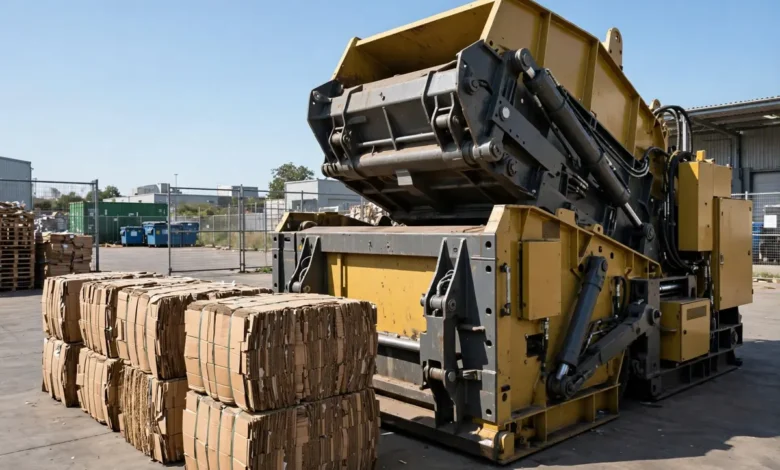
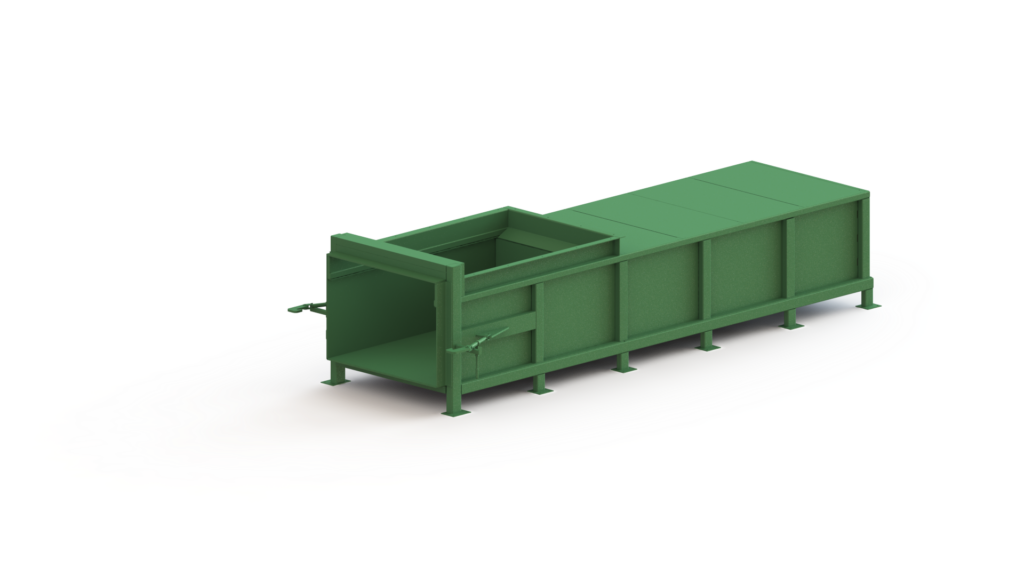
Effective waste management is essential for industries, municipalities, and recycling facilities looking to improve operational efficiency while minimizing environmental impact. As waste volumes continue to grow, businesses are increasingly adopting advanced equipment to streamline collection, transportation, and processing. Among the most valuable pieces of equipment in modern waste handling systems are compactors, which significantly reduce waste volume and optimize logistics.
Whether used in transfer stations, commercial facilities, or industrial recycling plants, compactors help organizations maximize available space, reduce transportation frequency, and improve overall productivity. By compressing waste into denser loads, these machines contribute to lower operating costs while supporting more sustainable waste management practices. Modern stationary compactors can process throughput volumes of up to 480 m³ per hour, depending on the system configuration and application.
What Are Compactors?
Compactors are heavy-duty machines designed to compress waste materials into smaller, denser volumes. By reducing the amount of space occupied by waste, they improve storage capacity and make transportation more efficient.
These machines are commonly used in:
- Waste transfer stations
- Recycling facilities
- Manufacturing plants
- Commercial buildings
- Distribution centers
- Municipal waste management operations
Depending on operational requirements, compactors may be integrated with conveyors, moving floor systems, transfer trailers, or automated waste handling solutions.
Why Compactors Are Essential in Modern Waste Management
Growing waste volumes have increased the demand for equipment that improves operational efficiency without requiring larger facilities.
The key benefits of using compactors include:
- Reduced waste volume
- Lower transportation costs
- Improved workplace cleanliness
- Increased payload capacity
- Better space utilization
- Enhanced operational efficiency
These advantages make compactors an important investment for organizations managing high volumes of waste every day.
Types of Compactors
Different industries require different types of waste compaction equipment.
Some of the most common options include:
Stationary Compactors
Stationary compactors remain fixed in one location and are commonly installed at transfer stations and industrial facilities. They are designed for continuous, high-volume waste processing.
Self-Contained Compactors
These systems combine the compaction unit and waste container into a single enclosed structure, making them suitable for wet waste and facilities with strict hygiene requirements.
Portable Compactors
Portable units are ideal for businesses that require flexible waste handling solutions and easier relocation when operational needs change.
Each system offers distinct advantages depending on the type and volume of waste being processed.
How Waste Compactors Improve Operational Efficiency
Using waste compactors allows organizations to optimize multiple stages of waste management.
Some operational improvements include:
- Faster waste processing
- Reduced manual handling
- Fewer transportation trips
- Better workflow organization
- Lower fuel consumption
- Reduced equipment wear
By increasing waste density, compactors enable transport vehicles to carry larger payloads while remaining within legal weight limits. This reduces overall transportation frequency and operating expenses.
Industries That Benefit from Compactors
Compactors are widely used across numerous industries because of their versatility.
Common sectors include:
- Municipal solid waste
- Construction and demolition
- Commercial and industrial facilities
- Recycling centers
- Food processing
- Manufacturing
- Distribution and logistics
Many facilities integrate compactors into broader resource recovery systems that include conveyors, sorting equipment, transfer trailers, and automated recycling technologies.
Key Features to Consider
When selecting compactors, organizations should evaluate several important features.
These include:
- Throughput capacity
- Chamber size
- Compaction force
- Loading method
- Cycle time
- Energy efficiency
- Maintenance requirements
- Compatibility with existing equipment
Choosing equipment that matches operational needs helps maximize productivity while minimizing long-term operating costs.
Environmental Benefits
Compactors contribute to sustainability by improving the efficiency of waste transportation and resource recovery.
Environmental advantages include:
- Reduced greenhouse gas emissions from fewer transport trips
- Improved recycling efficiency
- Lower landfill usage
- Reduced windblown litter
- Cleaner work environments
These benefits support broader environmental goals while helping organizations comply with evolving waste management standards.
Maintaining Peak Performance
Routine maintenance is essential for ensuring reliable operation and extending equipment lifespan.
Recommended maintenance practices include:
- Regular hydraulic inspections
- Lubricating moving components
- Checking electrical systems
- Monitoring wear parts
- Cleaning loading areas
- Performing scheduled servicing
Preventive maintenance helps reduce downtime while maintaining consistent compaction performance.
Choosing the Right Compaction Solution
Every waste management operation has unique requirements. Factors such as waste type, daily processing volume, available space, and transportation logistics should all be considered when selecting equipment.
Working with experienced equipment designers and manufacturers can help organizations identify systems that integrate efficiently into existing operations while supporting future expansion and automation.
Conclusion
Compactors have become an essential component of modern waste management systems by reducing waste volume, lowering transportation costs, improving operational efficiency, and supporting sustainability initiatives. Their ability to handle high waste volumes while integrating with advanced recycling and transfer systems makes them valuable across a wide range of industries. Investing in the right compaction solution can improve productivity, reduce operational expenses, and contribute to more effective resource recovery. For businesses seeking reliable waste processing solutions, OGTEC offers expertise in designing and manufacturing integrated waste management systems tailored to a variety of industrial and municipal applications.