

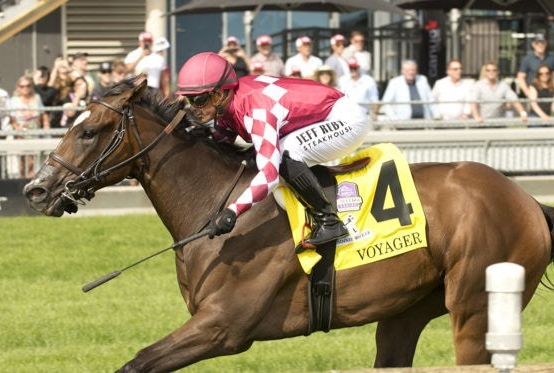
Horse racing combines speed, strategy, and careful preparation, making every race day exciting for both experienced enthusiasts and newcomers. Before the horses enter the starting gates, one of the most valuable resources available is the Hyderabad horse race card. It provides detailed information about each race, participating horses, jockeys, trainers, race conditions, and much more.
Whether you are attending the races or simply following the day’s events, learning how to read a Hyderabad horse race card helps you better understand the competition and the factors that may influence each race. This guide explains the key sections of a race card and how to interpret the information effectively.
What Is a Hyderabad Horse Race Card?
A Hyderabad horse race card is the official program that lists every scheduled race during a race meeting. It contains essential information about each race and every participating horse, allowing spectators to review the field before the races begin.
Race cards typically include:
- Race number
- Race name
- Distance
- Prize money
- Horse names
- Jockey information
- Trainer details
- Assigned weights
- Barrier positions
- Previous race form
Many racing enthusiasts review the race card before the meeting begins to compare runners and better understand the day’s competition.
Why the Race Card Is Important
The Hyderabad horse race card serves as a complete overview of the day’s racing schedule. Rather than simply listing the horses, it provides valuable context about the conditions under which each race will be run.
By reviewing the race card, readers can:
- Understand race distances
- Compare competing horses
- Learn about jockey and trainer combinations
- Identify different race classes
- Follow the sequence of races
- Track scheduled race timings
This information helps spectators appreciate the competition, even if they are new to horse racing.
Understanding the Main Sections
Race Details
At the beginning of every race listing, the card displays information such as:
- Race title
- Scheduled start time
- Distance
- Class of race
- Prize money
- Eligibility conditions
These details describe the conditions under which the horses will compete.
Horse Information
Every participating horse is listed individually with important identifying information.
Common details include:
- Horse name
- Age
- Sex
- Assigned weight
- Draw number
- Owner
- Trainer
- Jockey
These details help distinguish each runner within the field.
Previous Form
Most race cards include recent finishing positions, allowing readers to review a horse’s previous performances.
Although previous results never guarantee future success, they provide useful historical information regarding consistency and experience.
What Race Distance Means
Distance plays an important role in horse racing because different horses perform better over different lengths.
A Hyderabad horse race card usually specifies the exact race distance in metres.
Some horses excel in shorter sprint races, while others perform better over middle or longer distances where stamina becomes increasingly important.
Understanding the distance allows spectators to appreciate why certain horses may be better suited to specific races.
Understanding Race Classes
Horse races are organized into different classes based on factors such as ratings, eligibility, and competition level.
Common race types may include:
- Maiden races
- Handicap races
- Class races
- Feature races
- Trophy races
Each class has different entry requirements and competitive standards.
The race card clearly identifies these categories, helping readers understand the level of competition before each event.
Importance of Jockeys and Trainers
Every horse competes with a jockey and is prepared by a trainer.
The race card identifies both because teamwork plays an important role in racing performance.
The trainer develops the horse’s fitness, conditioning, and race preparation, while the jockey makes tactical decisions during the race regarding pace, positioning, and timing.
Following successful jockey-trainer partnerships often becomes part of understanding racing performance over an entire season.
Reading the Race Schedule
A race meeting generally includes multiple races held throughout the afternoon.
The Hyderabad horse race card presents them in chronological order, allowing spectators to plan their viewing throughout the day.
Each race entry normally includes:
- Scheduled time
- Race distance
- Number of runners
- Prize amount
- Class information
This structured format makes the day’s racing easy to follow. Race meetings at Hyderabad commonly feature multiple races covering various distances and class levels during both the monsoon and winter seasons.
Tips for Beginners
If you’re reading a race card for the first time, avoid focusing on only one statistic.
Instead:
- Read the entire race description first.
- Compare horses running over similar distances.
- Observe jockey and trainer combinations.
- Review previous race form.
- Understand the race class before comparing runners.
With experience, interpreting race cards becomes much easier and more enjoyable.
Following Racing Throughout the Season
The Hyderabad Race Club changes for every race meeting as horses, distances, entries, and race conditions vary throughout the season.
Regularly reviewing race cards allows racing followers to become familiar with recurring horses, leading jockeys, prominent trainers, and major races held during the Hyderabad racing calendar. The Hyderabad racing season generally includes both monsoon and winter meetings and features well-known events such as the Deccan Derby, President of India Gold Cup, and Nizam’s Gold Cup.
Conclusion
Learning to read a Hyderabad horse race card helps spectators understand much more than simply which horses are running. It provides valuable information about race conditions, distances, participating runners, jockeys, trainers, and the overall structure of each race meeting. Whether you are attending Hyderabad Race Club for the first time or following a Hyderabad race, understanding the race card makes every race easier to follow and provides greater appreciation for the planning, preparation, and competition involved in horse racing.