

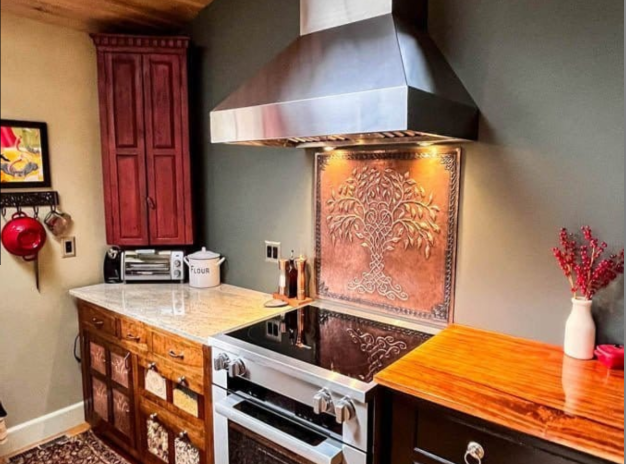
Large cooking surfaces can produce significant amounts of grease, smoke, steam, heat, and odors, making effective ventilation especially important in spacious kitchens. A large hood can capture these airborne byproducts, but regular maintenance is necessary to keep the ventilation system operating properly. Filters, fans, housing surfaces, duct connections, and other components can accumulate grease over time.
A 60 kitchen hood is designed for exceptionally wide cooking surfaces and may contain a larger capture area and powerful blower system than smaller residential hoods. Keeping such a system clean requires a careful approach because electrical components and moving parts should not be exposed unnecessarily to water or aggressive cleaning products.
Why Does a Range Hood Need Regular Cleaning?
Cooking releases grease and fine particles into the air. Some of these contaminants are captured by the hood’s filters, while others can settle on internal and external surfaces.
Over time, accumulated grease can become difficult to remove and may interfere with ventilation performance. Dirty filters can also restrict airflow, forcing the blower to work harder.
Regular maintenance is therefore both a performance and housekeeping issue. The U.S. Fire Administration recommends cleaning cooking exhaust systems regularly because grease accumulation can contribute to cooking-related fire hazards.
For a 60 kitchen hood, maintenance can be particularly important because the system may serve a large cooking surface where several burners operate simultaneously.
Which Parts of a Range Hood Can You Clean?
Not every component should be cleaned in the same way. Exterior surfaces, grease filters, fan blades, and accessible internal areas may have different maintenance requirements.
The exterior can usually be wiped with a suitable kitchen cleaner and a soft cloth. Washable grease filters can generally be removed and cleaned separately.
The blower and motor assembly require more caution. Electrical components should not be soaked, sprayed directly, or disassembled unless the manufacturer specifically provides instructions for doing so.
Before performing any maintenance, switch off the hood and disconnect power where the manufacturer’s instructions require it.
How Do You Clean the Range Hood Filters?
Filters are among the most important components to maintain because they capture grease before it can travel farther into the ventilation system.
First, remove the filters according to the manufacturer’s instructions. Depending on the hood, they may be aluminum mesh, stainless-steel baffles, or another approved design.
Washable filters can typically be cleaned using warm water and an appropriate degreasing solution. Some filters may be dishwasher-safe, but this should always be confirmed in the product documentation.
Allow filters to dry completely before reinstalling them.
A 60 kitchen hood may contain multiple large filters, so cleaning them individually can make the process more manageable.
Can You Clean the Hood Fan?
The fan or blower can accumulate grease, particularly when the hood is used frequently for frying, grilling, or high-temperature cooking.
Whether the blower can be removed for cleaning depends entirely on the hood design. Some manufacturers provide removable blower assemblies, while others recommend cleaning only accessible surfaces.
Do not assume that every blower can be removed. Consult the hood’s installation and maintenance documentation before attempting to detach components.
If the manufacturer’s instructions do not provide a procedure for motor or blower cleaning, professional service may be safer than attempting to disassemble the assembly.
How to Clean Range Hood Motors Safely
When homeowners research how to clean range hood motors, the most important principle is to avoid exposing the motor and electrical components to excessive moisture.
Begin by turning the hood off and disconnecting its power according to the manufacturer’s instructions. Remove accessible grease filters and clean them separately.
Next, inspect the motor and blower area for visible grease buildup. If the manufacturer permits cleaning, use a lightly dampened cloth or an approved cleaning method rather than spraying liquid directly onto the motor.
Never pour water or degreaser into the motor housing. Avoid soaking electrical connections, wiring, switches, or other components.
If grease buildup is extensive or the motor requires disassembly, contact a qualified technician familiar with the specific hood model.
How Often Should You Clean a Range Hood?
Cleaning frequency depends on how often the hood is used and the type of cooking performed.
Households that frequently fry, grill, or cook with large amounts of oil may need to clean filters and surfaces more often than households that mainly boil or simmer food.
A practical approach is to inspect the filters regularly rather than waiting until airflow noticeably decreases. Grease accumulation, persistent odors, visible residue, or unusual fan performance can indicate that maintenance is overdue.
The National Fire Protection Association also emphasizes the importance of removing grease accumulation from cooking equipment and exhaust systems as part of fire prevention.
What Should You Use to Clean Grease?
The appropriate cleaning product depends on the material and the manufacturer’s recommendations. A mild degreasing solution can often be used on removable metal filters and suitable exterior surfaces.
Avoid abrasive pads and harsh chemicals unless they are specifically approved for the hood’s finish. Stainless steel, painted surfaces, and other materials can be damaged by unsuitable cleaners.
Always apply cleaning products according to their labels and avoid spraying directly into electrical components.
For a 60 kitchen hood, maintaining the external surfaces can also help prevent layers of grease from accumulating around controls, seams, and ventilation openings.
How Can You Prevent Excessive Grease Buildup?
Regular filter maintenance is the first line of defense. Clean filters can capture grease more effectively and help keep the internal components cleaner.
Using the hood whenever cooking generates smoke, steam, or grease can also reduce the amount of airborne residue that settles elsewhere.
For particularly greasy cooking, turn the hood on before or at the beginning of cooking and allow it to run for several minutes afterward. The U.S. Environmental Protection Agency recommends using range hoods while cooking and continuing to operate them for a period after cooking to help clear airborne pollutants.
Does Ductwork Need Cleaning?
The duct system can also accumulate grease, particularly when a hood is used extensively for frying or other high-temperature cooking.
Homeowners should not automatically attempt to access or clean internal ductwork themselves. The appropriate maintenance procedure depends on the system design, duct accessibility, and level of buildup.
If substantial grease accumulation is suspected inside the duct, professional inspection and cleaning may be appropriate.
Keeping filters clean and using the hood correctly can help reduce the amount of grease entering the exhaust pathway.
What Are Signs the Motor Needs Attention?
Changes in fan performance can indicate that maintenance or professional inspection is necessary.
Warning signs can include unusual noises, reduced airflow, vibration, intermittent operation, burning smells, or a blower that struggles to start.
These symptoms should not automatically be attributed to a dirty motor. Electrical faults, worn bearings, damaged fan components, blocked ductwork, or other mechanical problems can produce similar symptoms.
If a 60 kitchen hood develops unusual electrical or mechanical behavior, stop using it if necessary and consult the manufacturer’s service guidance or a qualified technician.
What Mistakes Should You Avoid?
One of the biggest maintenance mistakes is spraying cleaner directly into the motor or electrical housing. Liquid can damage electrical components and create safety risks.
Another mistake is attempting to dismantle components without understanding how they are assembled. Incorrect reassembly can affect fan balance, airflow, and electrical safety.
Using abrasive cleaners can also damage exterior finishes.
Finally, do not ignore heavily grease-coated filters. Regular cleaning is considerably easier than trying to remove thick, hardened buildup after long periods of neglect.
Conclusion
Regular maintenance helps keep a large ventilation system effective, clean, and safe to operate. Filters should be inspected and cleaned according to the manufacturer’s recommendations, while exterior surfaces should be maintained with products appropriate for their materials. When learning how to clean range hood motors, remember that the motor is an electrical component and should never be soaked or directly sprayed with water or degreaser. Accessible surfaces can be cleaned carefully when permitted by the manufacturer, but extensive buildup or motor disassembly may require professional service.