
A thoughtfully designed playroom is more than a place for children to stay entertained—it is an environment where they develop creativity, confidence, problem-solving skills, and physical coordination. The toys parents choose can significantly influence a child’s cognitive, social, and motor development, making it important to invest in options that encourage purposeful and imaginative play. Rather than filling a room with countless gadgets, selecting high-quality playroom toys that grow with a child can create a more engaging and meaningful experience.
Today’s playroom toys are designed to support multiple stages of development while encouraging open-ended play. From wooden activity centers and climbing sets to pretend play accessories and educational games, well-chosen toys inspire children to explore, experiment, and build new skills naturally. Collections like those from Little Heirloom Society feature Montessori-inspired wooden toys, activity walkers, climbing sets, art easels, musical instruments, and pretend play products that encourage creativity and independent learning.
Why Playroom Toys Matter
Children learn through exploration, movement, and hands-on experiences. A carefully selected collection of toys creates opportunities for both structured learning and free play.
Benefits of quality playroom toys include:
- Encouraging creativity
- Supporting independent play
- Developing fine motor skills
- Improving gross motor coordination
- Building problem-solving abilities
- Promoting social interaction
- Strengthening confidence
Open-ended toys can often be used in multiple ways, allowing children to continue discovering new forms of play as they grow.
Types of Playroom Toys Every Child Can Enjoy
A balanced playroom includes a variety of toys that encourage different developmental skills.
Popular categories include:
- Building blocks
- Activity cubes
- Pretend play kitchens
- Musical instruments
- Art easels
- Climbing equipment
- Ball pits
- Balance toys
- Educational puzzles
Combining multiple toy types helps create an engaging environment that supports physical, creative, and cognitive development.
Encourage Open-Ended Play
Open-ended toys allow children to use their imagination rather than following a single intended purpose.
Examples include:
- Wooden blocks
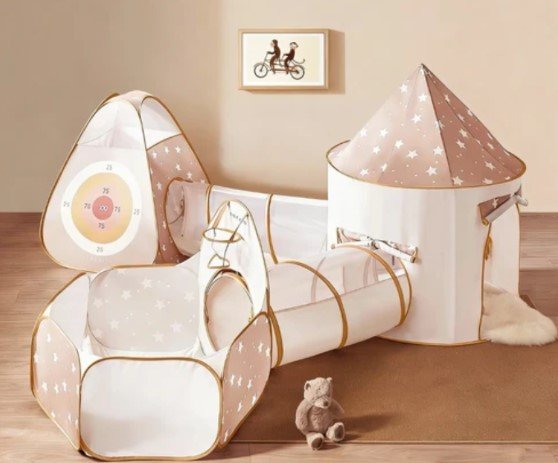
- Play tents
- Dollhouses
- Climbing arches
- Toy vehicles
- Pretend food sets
Because these toys can be used in different ways, they remain engaging for much longer than single-purpose toys.
Focus on Safety and Durability
When selecting playroom toys, safety should always be a priority.
Look for features such as:
- Smooth rounded edges
- Durable construction
- Non-toxic finishes
- Stable designs
- Age-appropriate recommendations
- Easy-to-clean materials
Well-made toys not only provide a safer experience but also last through years of everyday use.
Creating a Balanced Playroom
An organized playroom encourages children to explore independently without becoming overwhelmed.
Consider including:
- A reading corner
- Creative art station
- Building area
- Pretend play zone
- Gross motor activity space
- Storage for rotating toys
Rotating toys periodically can keep the play environment fresh while maintaining children’s interest over time.
The Benefits of Wooden Toys
Wooden toys remain a favorite among many families because of their timeless appearance and durability.
Advantages include:
- Long-lasting construction
- Smooth natural textures
- Minimalist design
- Encourages imaginative play
- Often suitable for multiple age groups
Many parents appreciate wooden toys because they provide engaging play experiences without relying on flashing lights or electronic features. Community discussions among parents frequently highlight wooden stacking toys, activity boards, and shape sorters as favorites that children continue using as they grow.
Why a Wooden Baby Walker Is a Valuable Addition
As children begin standing and taking their first steps, a wooden baby walker can provide both mobility support and interactive learning opportunities.
Many wooden walkers include:
- Activity panels
- Shape sorters
- Spinning gears
- Bead mazes
- Storage compartments
- Stable push handles
These features encourage balance, coordination, and fine motor development while making early walking more enjoyable. Little Heirloom Society offers wooden baby walkers with integrated activity features designed to support both movement and play.
Organizing Playroom Toys Effectively
A tidy playroom helps children find toys more easily and encourages responsibility.
Useful organization ideas include:
- Open shelving
- Labeled storage baskets
- Toy rotation systems
- Accessible book displays
- Separate activity zones
Simple organization systems also make cleanup easier for both parents and children.
Choosing Toys That Grow With Your Child
Many parents prefer investing in toys that remain useful across multiple developmental stages.
When shopping, consider:
- Long-term usability
- Multiple play functions
- Educational value
- Durable materials
- Ease of maintenance
- Age flexibility
Selecting versatile toys often provides better long-term value while supporting a child’s changing interests and abilities.
Conclusion
Choosing the right playroom toys helps create a space where children can learn, explore, and build essential life skills through everyday play. By focusing on durable, open-ended, and developmentally appropriate toys, parents can design an environment that encourages creativity, independence, and physical activity. For families looking to encourage early mobility and interactive learning, a wooden baby walker can be an excellent addition to a well-balanced playroom, offering both developmental benefits and lasting play value. A thoughtfully planned playroom supports healthy development while making playtime more meaningful and enjoyable.