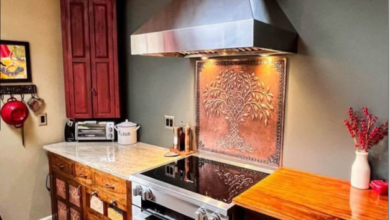


Kitchen trends change quickly, but some surfaces remain popular because they balance appearance, durability, and ease of maintenance. Classic quartz countertops fit this category well. They are available in understated colours, subtle patterns, and finishes that can work across traditional, transitional, and contemporary interiors without feeling overly trend-driven.
For homeowners planning a long-term kitchen renovation, this makes quartz especially appealing. A well-chosen surface can support changing cabinet colours, hardware, flooring, and décor over time. The key is selecting a design that feels refined without being so specific that it becomes difficult to coordinate later. To plan your home renovation from start to finish, see our complete guide.
What Makes Quartz Look “Classic”?
A classic quartz surface usually relies on restraint.
Instead of bold colours or dramatic veining, many classic quartz countertops use softer visual characteristics such as:
- Warm neutrals
- Light greys
- Cream tones
- Fine speckling
- Gentle stone-inspired movement
- Subtle veining
- Balanced matte or polished finishes
These designs are easier to pair with different materials and architectural styles.
A highly dramatic worktop can become the focal point of the kitchen, while a classic surface tends to support the rest of the design. This can make it particularly suitable for homeowners who prefer a calm, cohesive interior.
Why Is Quartz Popular for Everyday Kitchens?
Quartz combines decorative flexibility with practical maintenance.
Engineered quartz is generally non-porous, meaning it does not usually require routine sealing in the same way many natural stone surfaces do. This can make everyday cleaning more straightforward.
For classic quartz countertops, this practicality is particularly useful because the goal is often to create a surface that continues looking appropriate after years of regular use.
Quartz is also available in a wide range of controlled colours and patterns, making it easier to coordinate worktops across different sections of the kitchen.
Warm or Cool Quartz: Which Is Better?
Neither is automatically better.
The right undertone depends on the rest of the room.
Warm classic quartz countertops can work well with oak, walnut, beige cabinetry, brass hardware, and warmer flooring. Cooler grey or white surfaces may suit black accents, stainless steel, blue cabinetry, or minimalist interiors.
Lighting can influence how these undertones appear.
A worktop that looks neutral in a showroom may appear warmer or cooler once installed under natural daylight or kitchen lighting.
Physical samples should therefore be viewed beside the actual cabinet and flooring materials whenever possible.
Subtle Patterns Can Be Easier to Live With
Highly patterned quartz can create visual impact, but it may also limit future design changes.
A quieter pattern provides more flexibility.
For example, classic quartz countertops with fine mineral-style movement can complement both decorative cabinetry and minimalist furniture without competing for attention.
Subtle patterns can also help disguise small crumbs or water marks more effectively than completely plain surfaces.
The ideal pattern should provide enough detail to create visual interest without making the kitchen feel overly busy.
Consider a Cream-Toned Worktop
Cream and soft beige surfaces can create warmth without becoming visually heavy.
These tones work especially well in kitchens where bright white feels too stark.
A Crema quartz worktop can complement natural wood cabinetry, warm white paint, brass or bronze fittings, and stone-effect flooring.
Cream-based quartz can also help soften kitchens with large amounts of artificial light or hard surfaces.
The exact undertone still matters, so samples should be compared directly with surrounding materials before fabrication begins.
Choose the Right Finish
Quartz surfaces are available in different finishes, and each creates a slightly different look.
Polished quartz reflects more light and can make a kitchen feel brighter. Matte or honed finishes create a softer, more understated appearance.
For classic quartz countertops, either finish can work depending on the room.
A polished surface may suit a traditional or transitional kitchen where a refined appearance is desired, while matte quartz can create a more contemporary interpretation of a classic neutral worktop.
Maintenance characteristics can also differ, so buyers should ask how fingerprints and water marks show on the chosen finish.
Edge Profiles Influence the Style
The edge treatment contributes more to the finished appearance than many homeowners expect.
Simple square or slightly rounded profiles generally keep classic quartz countertops looking clean and versatile.
More decorative edges can work in traditional kitchens but may make the surface feel more formal.
The thickness of the worktop also affects visual weight.
Slimmer profiles tend to appear more modern, while deeper edges can create a more substantial, established look.
The edge should therefore be selected in relation to cabinet proportions rather than chosen independently.
Think About Cabinet Colour Combinations
Classic quartz works because it can coordinate with many cabinet finishes.
Popular combinations include:
- Cream quartz with warm wood
- Light grey quartz with navy cabinetry
- White quartz with sage green cabinets
- Beige quartz with off-white cabinetry
- Neutral quartz with charcoal cabinets
The versatility of classic quartz countertops makes them especially useful in kitchens where other design elements may change over time.
If cabinets are likely to be repainted in the future, a neutral worktop can provide more flexibility than a strongly coloured surface.
Use Lighting to Evaluate the Surface
Worktop colour changes depending on light.
Natural daylight, warm LEDs, and cool LEDs can all alter how quartz appears.
Before choosing classic quartz countertops, view samples at different times of day.
Morning sunlight may reveal undertones that are almost invisible under showroom lighting. Evening artificial light may make cream surfaces appear warmer and grey surfaces more subdued.
This is especially important in north-facing kitchens or rooms with limited windows.
A surface should look balanced under the lighting conditions that will actually be used.
Plan the Worktop Around the Sink and Hob
Fabrication details can affect the visual continuity of the surface.
Sink and hob cut-outs should be positioned carefully, particularly when the quartz includes directional movement or subtle veining.
With classic quartz countertops, seams should also be planned to avoid interrupting the design unnecessarily.
The fabricator may recommend particular joint locations depending on slab dimensions and kitchen layout.
Discussing these details during templating can lead to a more polished final result than allowing seam placement to be decided purely for convenience.
Quartz Still Needs Heat Protection
Quartz is durable, but it should not be treated as indestructible.
Very hot cookware can potentially damage the resin component used in engineered quartz.
For classic quartz countertops, trivets and heat-resistant mats should be used for pans, baking trays, and other items taken directly from ovens or hobs.
This simple habit can help protect the surface from heat marks or discolouration.
Using chopping boards is also advisable rather than cutting directly on the worktop.
Practical care is still necessary even with a low-maintenance material.
Cleaning Is Usually Simple
Routine quartz cleaning generally does not require specialist treatment.
Warm water, mild soap, and a soft cloth are suitable for most everyday spills.
For classic quartz countertops, wiping liquids promptly helps prevent residue from drying on the surface.
Highly abrasive pads or strong chemicals should be avoided unless they are specifically approved by the manufacturer.
Matte finishes may sometimes show oily marks differently from polished surfaces, so following the care guidance for the exact product is important.
Regular gentle cleaning is generally more effective than occasional aggressive treatment.
Classic Design Can Support Resale Appeal
A neutral worktop can make a kitchen easier for future buyers to imagine as their own.
Highly personalised surfaces may appeal strongly to one homeowner but feel difficult for another person to integrate.
Classic quartz countertops tend to avoid this problem because they pair with a wide range of colours and furniture styles.
That does not mean every renovation should be designed solely for resale.
However, homeowners planning to move within several years may prefer worktops that feel broadly adaptable rather than highly trend-specific.
Avoid Choosing From a Tiny Sample Alone
Small samples can be misleading.
They show colour and texture, but they may not reveal the full slab pattern.
Before ordering classic quartz countertops, ask to see a larger sample or full slab where possible.
This is particularly important when the quartz contains subtle veining or tonal movement.
A pattern that looks almost plain in a small sample may become much more noticeable across a large island.
Full-slab viewing also allows buyers to discuss how different sections will be positioned during fabrication.
Conclusion
Classic quartz countertops remain a strong option for homeowners who want a surface that feels refined without relying on short-lived design trends. Neutral colours, controlled patterns, practical maintenance, and broad compatibility with cabinetry make them adaptable across many kitchen styles. An Alaska Bianca CQM424 Quartz can be especially effective where a bright, airy finish is desired, bringing a luminous white base and gentle grey veining into the kitchen. Its polished surface helps reflect natural light, while its resistance to heat, scratches, and stains makes it well suited to busy households.
It pairs particularly well with timber shelving, matte cabinetry, and chrome fixtures, creating a clean contemporary look. For the best result, consider the full kitchen design, including cabinetry, lighting, edge profile, and fabrication details, so the worktop complements the space beautifully for years to come.
Home improvements often come down to knowing when a repair is enough and when replacement makes more sense, and this guide to when to replace a garage door rather than repair it explains that decision clearly.
Related Reading
For another timeless classic to enjoy at home, our article Traditional British Biscuits and Their Timeless Appeal looks at a long-loved teatime favourite.
Related Reading
For a festive upgrade to your home exterior, see Permanent Christmas Lights in Houston: Modern Approach to Outdoor Decoration for a modern approach to outdoor decoration.
If you are choosing a quartz surface, Quartz Worktops in Essex: 8 Expert Tips for Choosing the Perfect Surface offers expert tips for choosing the perfect surface.