

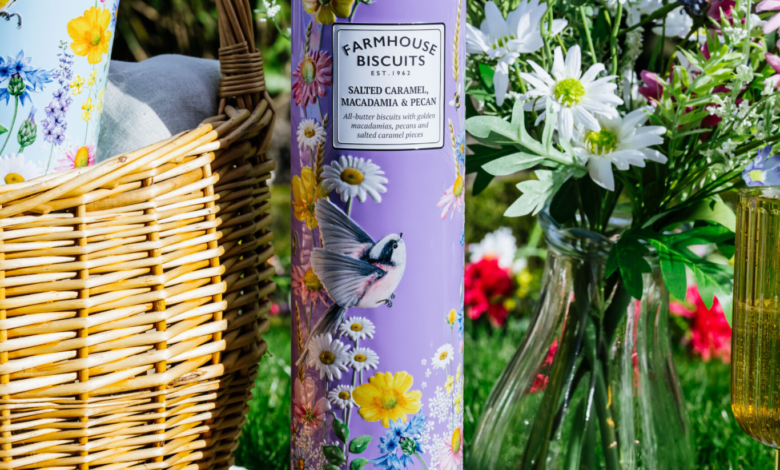
Few treats are as closely tied to British food culture as biscuits. From teatime tables to family kitchen tins, Traditional British Biscuits continue to represent comfort, familiarity, and a style of baking built on simple ingredients and lasting recipes.
What Makes a Biscuit Traditionally British
British biscuits are generally known for being crisp, firm, and easy to enjoy with tea or coffee. They are usually simpler in style than many modern cookies, with more attention given to texture, balance, and familiar flavours than to overly rich or elaborate additions.
This simplicity is one of the reasons Traditional British Biscuits have remained popular for generations. They often focus on classic ingredients such as butter, oats, ginger, sugar, and flour, creating flavours that feel both nostalgic and dependable.
Another defining feature is their place in everyday life. Rather than being reserved only for special occasions, biscuits have long been part of ordinary tea breaks, family gatherings, and quiet moments at home.
A Strong Part of British Food History
The history of biscuits in Britain stretches back centuries, with biscuit-like baked goods becoming more established in English food culture from the medieval period onward. Over time, they evolved into a distinct part of British eating habits, especially as tea drinking became more common.
As baking traditions developed, different varieties emerged with their own textures, shapes, and flavour profiles. Shortbread, ginger biscuits, custard creams, bourbons, oat-based biscuits, and jam-filled varieties all became recognisable parts of the British biscuit landscape.
This history gives Traditional British Biscuits a deeper significance than simple sweet snacks. They reflect a broader tradition of baking that values consistency, comfort, and familiar household favourites.
Popular Types of Traditional British Biscuits
One of the reasons British biscuits remain so widely loved is the range of classic styles available. Some are buttery and crumbly, while others are crisp, spiced, lightly sweet, or layered with fillings such as jam or cream.
Shortbread remains one of the best-known traditional styles because of its rich texture and simple ingredient base. Ginger biscuits are also longstanding favourites, valued for their warmth, spice, and satisfying crunch. Other well-known varieties include custard creams, bourbons, malted biscuits, and oat-based biscuits that pair well with tea.
These classic varieties help explain why traditional British biscuits continue to hold such a strong place in modern baking culture. They offer variety without losing the familiar character that makes them so recognisable.
Why They Still Matter Today
Modern consumers have access to countless sweet snacks, yet classic biscuits continue to stand out because they provide something straightforward and comforting. Their appeal often lies in familiarity rather than novelty, which makes them especially well suited to everyday enjoyment.
Biscuits also remain closely connected to British tea culture. Many traditional styles are made to be enjoyed alongside a hot drink, and that simple pairing continues to be a meaningful part of daily routines for many people.
Because of this, Traditional British Biscuits are not just remembered fondly but actively enjoyed across generations. They fit equally well into quiet afternoons, gift boxes, shared tables, and moments of everyday comfort.
The Lasting Appeal of Simplicity
One of the greatest strengths of classic British biscuits is that they do not need to be complicated to be enjoyable. Their flavour often comes from doing basic things well, such as using buttery dough, balanced spice, or a crisp bake that holds its texture.
This approach gives them a lasting quality. People return to the same familiar biscuit styles because they trust the taste, understand the texture, and associate them with comfort and routine.
That is why Traditional British Biscuits remain so important in British food culture. Their value lies not only in heritage, but also in the way they continue to feel relevant and satisfying today.
Conclusion
Traditional British biscuits remain a beloved part of British baking because they combine history, simplicity, and everyday comfort in one familiar treat. Whether enjoyed with tea, shared with guests, or chosen for a quiet break, Traditional British Biscuits continue to reflect the enduring charm of classic British food traditions.