
Floating Pond Fountain Benefits: Improve Water Quality and Enhance Your Landscape

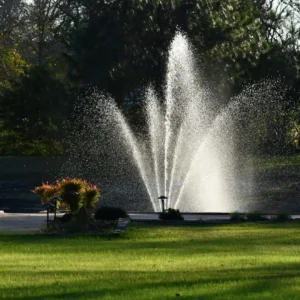
A well-maintained pond is more than just an attractive feature—it is a thriving ecosystem that supports aquatic life while enhancing the overall appearance of residential, commercial, and recreational landscapes. However, stagnant water can quickly lead to algae growth, unpleasant odors, mosquito breeding, and reduced oxygen levels. One of the most effective ways to maintain a healthier pond while creating an eye-catching focal point is by installing a floating pond fountain.
A floating pond fountain combines visual appeal with practical functionality by continuously circulating and aerating the water. Unlike stationary fountains, floating models automatically adjust to changing water levels and can be installed in ponds of various sizes. These systems help improve oxygen transfer, promote water movement, and create attractive spray patterns that enhance the beauty of any outdoor space. Friendly Fountains offers floating fountain systems in multiple horsepower options, complete with interchangeable nozzles, floating bases, debris protection bags, mooring ropes, and optional LED lighting kits.
What Is a Floating Pond Fountain?
A floating pond fountain is a water feature that sits on the surface of a pond while using a submerged pump to draw water upward through decorative spray nozzles. As the water returns to the pond, it increases circulation and oxygen exchange, helping maintain healthier water conditions.
These fountains are commonly used in:
- Residential ponds
- Farm ponds
- Decorative lakes
- Golf course water features
- Community parks
- Commercial landscapes
- Resorts and recreational properties
Their floating design allows them to adapt naturally to changing water levels without requiring major structural modifications.
Benefits of Installing a Floating Pond Fountain
Adding a floating fountain provides both environmental and aesthetic advantages.
Some of the key benefits include:
- Improves water circulation
- Increases dissolved oxygen
- Helps reduce stagnant water
- Supports healthier aquatic environments
- Creates an attractive visual centerpiece
- Produces relaxing water sounds
- Enhances property value
Continuous water movement also helps maintain a cleaner and more balanced pond ecosystem.
How Floating Fountains Improve Water Quality
Proper water circulation plays an important role in maintaining pond health.
A fountain helps by:
- Promoting oxygen exchange
- Reducing stagnant areas
- Supporting beneficial aquatic organisms
- Improving overall water movement
- Helping distribute oxygen more evenly throughout the pond
Improved circulation contributes to a healthier environment for fish, aquatic plants, and other pond life.
Choosing the Right Fountain Size
Selecting the appropriate fountain depends on several factors.
Consider:
- Pond size
- Water depth
- Desired spray height
- Decorative preferences
- Electrical availability
- Aeration requirements
Matching the fountain’s capacity to the pond’s dimensions helps maximize both visual impact and water circulation.
Why a 1/2 HP Model Is a Popular Choice
Many pond owners choose a 1/2 HP floating pond fountain because it offers an excellent balance between performance and energy efficiency for small to medium-sized ponds.
Typical advantages include:
- Strong water circulation
- Attractive spray patterns
- Efficient aeration
- Suitable for residential and commercial ponds
- Easy installation
- Reliable everyday operation
According to Friendly Fountains, its 1/2 HP model operates with a 5,300 GPH pump, includes a 100-foot power cord, interchangeable spray nozzles, and optional LED lighting for enhanced nighttime displays.
Installation Tips
Most floating fountains are designed for straightforward installation.
Best practices include:
- Position the fountain near the center of the pond.
- Secure it using the supplied mooring ropes.
- Connect it to a properly protected electrical source.
- Ensure the pump remains free from debris.
- Check water depth recommendations before installation.
Following manufacturer instructions helps ensure safe and reliable operation.
Maintenance Best Practices
Routine maintenance helps extend the lifespan of any fountain.
Recommended maintenance tasks include:
- Cleaning the pump intake
- Inspecting spray nozzles
- Removing accumulated debris
- Checking electrical connections
- Inspecting mooring lines
- Cleaning the floating platform
Regular inspections help maintain consistent water flow and reliable performance throughout the year.
Features to Look For
When selecting a floating pond fountain, buyers should evaluate:
- Pump capacity
- Horsepower
- Spray pattern options
- Energy efficiency
- LED lighting compatibility
- Weather-resistant construction
- Warranty coverage
These features contribute to long-term reliability and ease of maintenance.
Sizing and Placement in More Detail
Start with the pond itself rather than the fountain catalogue. A wide, shallow pond needs a different approach from a smaller, deeper one, and the pump needs enough depth of water to work as intended, so check the manufacturer’s depth guidance for any model you are considering. Think about spray height in relation to pond width: as a general rule, a display that rises too high for a narrow pond will lose a lot of water to wind drift and splash outside the edges, which wastes water and can leave the banks muddy.
Placement deserves the same care. A central position, held in place with mooring lines as the manufacturer directs, usually gives the most even circulation and the best view from around the garden. Keep the fountain clear of overhanging branches and away from the very edges, where shallow water and plant growth can get in the way. Finally, plan power access before you buy: the cable needs to reach a suitable outdoor supply, arranged and protected as the product instructions and a qualified electrician advise.
Seasonal Care and Routine Maintenance
Little and often is the secret with fountain care. Check the spray pattern regularly: a weak or uneven display is often the first sign that a nozzle is partly blocked, so switch off, lift the nozzle as the instructions allow and clear away algae, grit or plant debris before refitting it. Give the pump the same attention by cleaning its intake and any filter material, checking the cable for damage and making sure the unit is sitting as it should, because a pump that is straining against debris has to work harder than one that is clean.
Winter needs a decision before the coldest weather arrives. In places where ponds ice over, follow the manufacturer’s guidance on winter care: some owners remove the fountain, clean it thoroughly and store it dry until spring, while others in milder areas may be able to keep water moving for longer. Either way, use the off-season to inspect the float, mooring lines and nozzles, and order any worn parts, so restarting in spring is a simple job rather than a repair project.
Frequently Asked Questions
How do I choose the right spray height? Match it to the width of your pond in general terms: the spray should fall back into the water rather than drifting beyond the edges, so narrower ponds usually suit a lower, gentler display.
What routine care does a fountain need? Check the spray pattern regularly, clear blocked nozzles, clean the pump intake and filter material, inspect cables and mooring lines, and follow the maker’s guidance before winter in cold areas.
Where should a floating fountain be placed? A central position, moored as directed, usually gives the most even circulation, as long as the pump has enough depth and the cable can reach a suitable outdoor power supply.
Conclusion
A floating pond fountain is an excellent investment for anyone looking to improve pond health while creating an attractive outdoor focal point. By increasing water circulation, enhancing oxygen levels, and reducing stagnant conditions, these systems support healthier aquatic environments while adding beauty to residential and commercial landscapes. For pond owners seeking an ideal balance of performance, efficiency, and visual appeal, a 1/2 HP floating pond fountain offers a practical solution for maintaining clean, healthy, and attractive water features. Choosing the right fountain size and following routine maintenance practices will help ensure dependable performance for years to come.
Looking after a property means spotting the point where a quick fix stops being enough, and homeowners face the same call with when to replace a garage door once repairs start piling up.