
A well-ventilated kitchen is essential for maintaining a clean, healthy, and comfortable home. Everyday cooking produces smoke, steam, grease, heat, and airborne particles that can affect indoor air quality and leave residue on cabinets, walls, and ceilings. Installing a 36 kitchen exhaust hood is one of the most effective ways to remove these pollutants while improving the overall cooking experience. Designed to provide broad coverage for larger cooktops, this type of ventilation system combines efficient airflow with practical functionality. Understanding how a 36 kitchen exhaust hood works and what features to consider can help homeowners choose a solution that supports both performance and long-term kitchen maintenance.
Why Proper Kitchen Ventilation Matters
Cooking releases more than just pleasant aromas. High-heat cooking methods such as frying, grilling, and sautéing generate grease particles, excess moisture, and airborne contaminants that can linger indoors without proper ventilation.
Effective kitchen ventilation helps:
- Remove smoke and cooking odors
- Reduce airborne grease particles
- Control humidity and steam
- Improve indoor air quality
- Keep surrounding surfaces cleaner
These benefits contribute to a healthier indoor environment while reducing the amount of cleaning required after cooking.
How a Kitchen Exhaust Hood Works
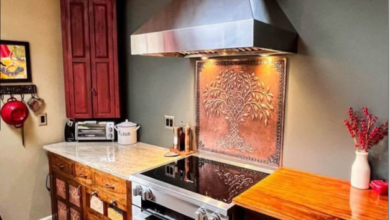
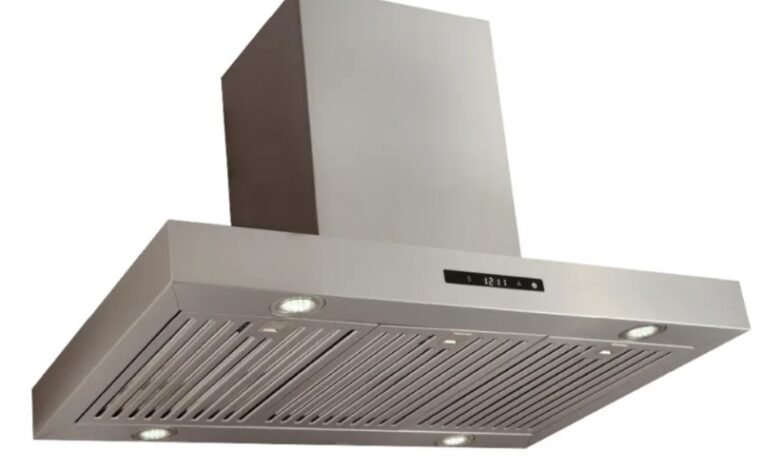
A 36 kitchen exhaust hood is installed above the cooking surface to capture rising smoke, grease, steam, and heat before they spread throughout the home. Most systems use a powerful fan to either vent contaminated air outdoors through ductwork or filter and recirculate cleaner air back into the kitchen.
Typical components include:
- High-performance exhaust fan
- Grease filtration system
- LED task lighting
- Multiple fan speed settings
- Easy-to-use controls
Selecting the right airflow capacity helps ensure efficient ventilation based on cooking habits and kitchen size.
Advantages of a 36-Inch Exhaust Hood
A 36-inch model offers greater coverage than smaller ventilation systems, making it particularly suitable for larger cooktops and ranges.
Some of its advantages include:
- Wider smoke capture area
- Better grease collection
- Improved odor removal
- Enhanced airflow during high-heat cooking
- Greater compatibility with larger cooking appliances
- Modern appearance for various kitchen styles
These features help improve ventilation efficiency while creating a more pleasant cooking environment.
Factors to Consider Before Installation
Choosing the right ventilation system involves evaluating several important factors beyond appearance.
Homeowners should consider:
- Width of the cooking surface
- Airflow capacity (CFM)
- Ducted or ductless installation
- Noise level
- Filter type
- Mounting height above the cooktop
Proper sizing and installation allow the exhaust hood to perform efficiently while maximizing smoke and grease capture.
Keeping Your Exhaust Hood Efficient
Routine maintenance plays a significant role in maintaining consistent ventilation performance. Over time, grease and debris accumulate on filters and internal components, reducing airflow efficiency.
Recommended maintenance includes:
- Cleaning grease filters regularly
- Replacing charcoal filters when applicable
- Wiping exterior surfaces
- Inspecting ductwork for obstructions
- Checking fan performance
Regular cleaning helps extend the life of the ventilation system while supporting better indoor air quality.
Additional Benefits Beyond Ventilation
An efficient exhaust hood provides several advantages beyond removing smoke and odors.
These include:
- Reduced grease buildup on cabinets
- Better visibility while cooking through integrated lighting
- Less moisture accumulation
- Improved comfort during meal preparation
- Protection for nearby appliances and kitchen finishes
These practical benefits make quality ventilation an important part of any modern kitchen.
Modern Features Available Today
Today’s kitchen ventilation systems offer several advanced features designed to improve convenience and performance.
Common features include:
- Energy-efficient LED lighting
- Quiet motor technology
- Touch or push-button controls
- Multiple fan speed options
- Dishwasher-safe grease filters
- Durable stainless steel construction
These innovations provide improved usability while supporting efficient everyday cooking.
Airflow, Ducting and Make-Up Air in More Detail
Matching the width is only the starting point. A wider, busier cooktop, with more burners in use or higher heat output, usually calls for noticeably more extraction, often somewhere in the region of 600 to 1,200 CFM for a hood of this size, compared with roughly 400 to 600 CFM on many smaller models. Where the hood sits matters too: around 30 to 36 inches above the cooking surface is a typical mounting range, and a unit fitted too high will let smoke spill out sideways before it can be drawn in.
The duct run has to keep up as well. A powerful motor connected to a narrow duct will never deliver its rated airflow, and round ducting tends to offer less resistance at higher volumes than rectangular runs. Strong extraction also pulls a lot of air out of the house, so above roughly 400 CFM many areas expect a make-up air arrangement, otherwise the negative pressure can affect gas appliances that rely on combustion. Finally, judge noise at the speed you will actually use each day, rather than at maximum, because a hood that is too loud on its everyday setting tends to stay switched off.
Conclusion
A 36 kitchen exhaust hood is an excellent investment for homeowners seeking effective ventilation, cleaner indoor air, and a more comfortable cooking environment. For kitchens with limited overhead space beneath cabinetry, a 36 inch under cabinet vent hood offers an efficient ventilation solution that combines space-saving installation with dependable performance. By removing smoke, grease, moisture, and cooking odors, it helps protect kitchen surfaces while enhancing everyday meal preparation. If you’re upgrading the kitchen as part of a larger project, our guide to home renovation costs and planning can help you budget.
When a wider hob needs matching extraction, it is also worth comparing your options in 54-inch range hoods.
Bottom line: a well-chosen 36 kitchen exhaust hood keeps kitchen air cleaner and surfaces freer of grease every day. For sizing and ventilation guidance, the Home Ventilating Institute explains how a 36 kitchen exhaust hood should be matched to the cooktop below it.