
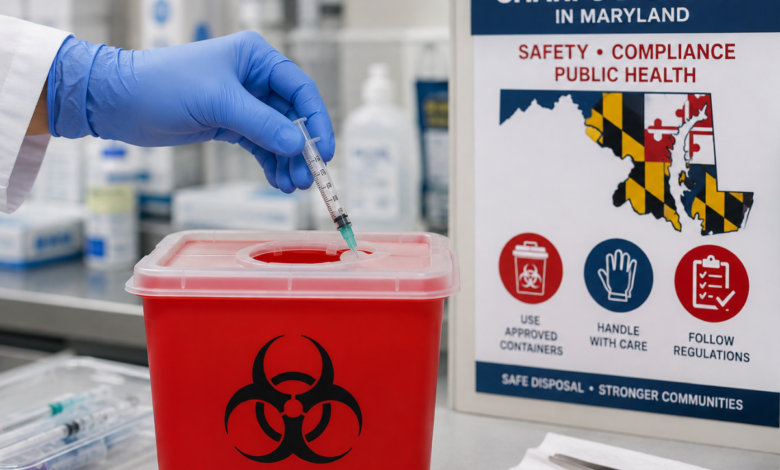
Healthcare facilities, laboratories, dental offices, pharmacies, veterinary clinics, and other medical organizations generate a significant amount of sharps waste every day. Items such as needles, syringes, lancets, scalpels, and other sharp medical instruments can pose serious health risks if they are not handled and disposed of properly. Effective sharps disposal in Maryland is essential for protecting healthcare workers, patients, sanitation personnel, and the broader community from accidental injuries and potential disease transmission.
Maryland has established regulations governing the handling, treatment, transportation, and disposal of sharps and special medical waste. These requirements are designed to minimize public health risks and ensure that potentially hazardous materials are managed safely throughout their lifecycle. Understanding the principles of sharps disposal in Maryland can help organizations maintain compliance while promoting a safer healthcare environment.
What Are Sharps?
Sharps are medical devices or instruments capable of puncturing or cutting skin. Because they may come into contact with blood or other potentially infectious materials, they require specialized handling procedures.
Common examples include:
- Hypodermic needles
- Syringes with attached needles
- Lancets
- Scalpel blades
- Auto-injector needles
- IV catheter needles
- Surgical sharps
- Certain laboratory glass items
Maryland regulations classify these materials under special medical waste management requirements, ensuring that they receive appropriate treatment before disposal.
Why Proper Sharps Disposal Matters
Preventing Needlestick Injuries
One of the most important reasons for proper sharps disposal in Maryland is the prevention of needlestick injuries.
Healthcare workers and waste handlers can suffer accidental punctures when sharps are improperly discarded. These injuries may expose individuals to bloodborne pathogens and other infectious agents, making proper containment a critical safety measure.
Protecting Public Health
Improperly discarded sharps can create hazards beyond healthcare settings.
Members of the public, sanitation workers, and maintenance personnel may unknowingly come into contact with contaminated needles or other sharp objects. Effective disposal practices help reduce these risks and support broader public health goals.
Supporting Environmental Safety
Medical waste that is not properly treated and disposed of can contribute to environmental contamination.
Maryland regulations require appropriate handling and treatment procedures to ensure that sharps do not enter the environment in a manner that could create health or ecological risks.
Maryland Regulations for Sharps Disposal
Maryland regulates sharps under special medical waste requirements.
The purpose of these regulations is to minimize the possibility of disease transmission and establish standards for handling, treatment, and disposal. Healthcare facilities that generate sharps waste must comply with specific requirements related to storage, packaging, transportation, and treatment.
Approved Containers
Sharps should always be placed in approved containers that are:
- Puncture resistant
- Leak resistant
- Closable
- Properly labeled
Using approved containers helps prevent accidental exposure during collection and transportation.
Treatment Before Disposal
Maryland regulations require sharps to undergo appropriate treatment before final disposal.
Approved treatment methods may include:
- Incineration
- Encapsulation
- Mechanical destruction after decontamination
- Other approved treatment technologies
State regulations specifically prohibit disposal of untreated sharps in solid waste landfills.
Documentation and Compliance
Facilities generating significant quantities of medical waste may be subject to notification, recordkeeping, and reporting requirements.
Maintaining accurate documentation helps organizations demonstrate compliance and supports regulatory oversight.
Best Practices for Sharps Disposal
Dispose of Sharps Immediately
Used needles and other sharps should be placed into approved containers immediately after use.
This minimizes handling and reduces the risk of accidental injury.
Never Overfill Containers
Sharps containers should be replaced before reaching capacity.
Overfilled containers can increase the likelihood of puncture injuries and make safe handling more difficult.
Train Staff Regularly
Employee training is a critical component of successful sharps management programs.
Training should cover:
- Waste segregation
- Container usage
- Emergency procedures
- Regulatory requirements
- Exposure prevention practices
Maintain Proper Segregation
Sharps should never be mixed with general waste streams.
Proper segregation helps ensure safe treatment and disposal while reducing unnecessary risks.
Industries That Generate Sharps Waste
Many organizations require reliable sharps disposal in Maryland, including:
- Hospitals
- Medical clinics
- Dental practices
- Veterinary facilities
- Pharmacies
- Diagnostic laboratories
- Surgical centers
- Long-term care facilities
- Home healthcare providers
Each of these sectors generates waste that requires specialized management procedures.
Common Mistakes to Avoid
Throwing Sharps in Regular Trash
Loose needles should never be discarded in ordinary waste containers.
Doing so creates unnecessary hazards for anyone handling the waste.
Using Improper Containers
Plastic bags, cardboard boxes, and other unsuitable containers do not provide adequate protection against punctures.
Ignoring Fill Limits
Allowing sharps containers to become overfilled significantly increases injury risks.
Poor Recordkeeping
Failure to maintain required documentation can create compliance challenges and complicate waste management processes.
Future Trends in Sharps Waste Management
Healthcare waste management continues to evolve as organizations seek safer and more efficient solutions.
Emerging developments include:
- Digital waste tracking systems
- Automated compliance reporting
- Improved treatment technologies
- Enhanced container designs
- Data-driven waste monitoring systems
These innovations are helping facilities improve accountability, efficiency, and safety while maintaining regulatory compliance.
Conclusion
Effective sharps disposal in Maryland is essential for preventing injuries, reducing disease transmission risks, and supporting regulatory compliance. Proper segregation, approved containers, employee training, and compliant treatment methods all contribute to safer healthcare operations and stronger public health protections. As healthcare organizations continue to generate increasing volumes of regulated medical waste, maintaining robust disposal procedures becomes even more important. A critical component of these efforts is implementing reliable waste management sharps disposal procedures that ensure hazardous materials are handled responsibly from generation through final treatment and disposal. By following established best practices and staying informed about regulatory requirements, facilities can protect workers, patients, and communities while improving operational efficiency.