

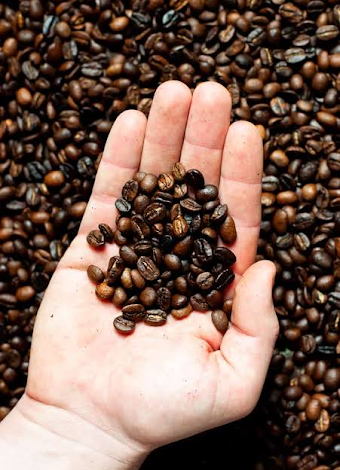
Coffee begins as green seeds inside coffee cherries, but it is the roasting process that transforms those seeds into the aromatic beans used to brew the world’s favourite beverage. During roasting, complex chemical reactions develop the flavours, aromas, and colours that make every cup unique. The roast level influences everything from sweetness and acidity to body and aroma, making freshness and roasting quality just as important as the origin of the beans.
Choosing high-quality roasted coffee beans can significantly improve the overall coffee experience. Freshly roasted beans preserve more of their natural flavour compounds and aromatic oils, allowing coffee drinkers to enjoy a richer, more balanced cup. Coffee experts also recommend paying attention to the roast date, as freshly roasted beans generally deliver better flavour than beans that have spent extended periods in storage.
What Happens During Coffee Roasting?
Roasting exposes green coffee beans to carefully controlled heat, triggering a series of physical and chemical changes. As moisture evaporates, the beans expand, darken in colour, and develop hundreds of flavour compounds responsible for coffee’s distinctive taste and aroma.
The roasting process also influences acidity, sweetness, bitterness, and body. Lighter roasts tend to preserve more of the bean’s original characteristics, while darker roasts develop deeper, bolder flavours with smoky or chocolate-like notes.
Understanding Different Roast Levels
Light Roast
Light-roasted coffee retains much of the bean’s natural origin character. These coffees often display bright acidity, floral aromas, and fruity flavour notes. Because they spend less time exposed to heat, they generally preserve higher levels of certain natural compounds, including chlorogenic acids.
Medium Roast
Medium roasts strike a balance between acidity and body. They develop greater sweetness while still allowing many origin flavours to remain noticeable. This roast level is popular among coffee enthusiasts because it offers complexity without overpowering the bean’s natural character.
Dark Roast
Dark roasts produce richer, fuller-bodied coffee with bold roasted flavours and lower perceived acidity. Extended roasting creates deeper caramelised notes, although some naturally occurring compounds are reduced during the process.
Why Freshness Is Essential
Freshness plays a major role in coffee quality. Shortly after roasting, beans release carbon dioxide while preserving aromatic compounds that contribute to flavour and fragrance.
As time passes, exposure to oxygen, moisture, heat, and light gradually reduces freshness. Coffee professionals recommend purchasing beans with clearly marked roast dates and grinding them immediately before brewing whenever possible. Proper storage in an airtight container away from direct sunlight also helps maintain flavour.
Benefits of Buying Whole Roasted Coffee Beans
Better Flavour Retention
Whole beans protect delicate aromatic oils far better than pre-ground coffee. Grinding immediately before brewing preserves more of the coffee’s natural complexity and produces a fresher cup.
Greater Brewing Flexibility
Whole beans allow users to adjust grind size according to their preferred brewing method, whether preparing espresso, pour-over, French press, AeroPress, or drip coffee.
Longer Shelf Life
Although roasted coffee gradually loses freshness over time, whole beans generally remain flavourful longer than ground coffee because less surface area is exposed to oxygen.
Choosing High-Quality Roasted Coffee Beans
When selecting coffee, several factors influence quality:
- Clearly labelled roast dates
- Freshly roasted batches
- Consistent bean appearance
- Appropriate roast level for your taste preferences
- Reliable sourcing and careful roasting practices
Coffee flavour is also influenced by bean variety, altitude, growing conditions, processing methods, and roasting technique. These factors combine to create the tasting notes commonly described on specialty coffee packaging, such as chocolate, citrus, berries, caramel, or nuts.
How to Store Roasted Coffee Beans
Proper storage helps preserve freshness after purchase.
For best results:
- Store beans in an airtight container.
- Keep them away from direct sunlight.
- Avoid excessive heat and humidity.
- Grind only the amount needed before brewing.
- Freeze unopened bags only if they will not be used for several weeks.
These simple practices help maintain flavour and aroma for a longer period.
Finding the Right Coffee for Your Taste
Every coffee drinker has unique preferences. Some enjoy bright, fruit-forward light roasts, while others prefer the bold richness of darker profiles. Exploring different origins and roast levels allows coffee lovers to discover flavour characteristics that best suit their palate.
Micro-roasted coffees are particularly popular because smaller roasting batches allow for greater consistency and careful control throughout the roasting process, helping highlight the bean’s natural qualities.
Conclusion
The journey from green coffee bean to freshly brewed cup depends heavily on the roasting process. High-quality deliver exceptional aroma, balanced flavour, and a more enjoyable brewing experience when they are roasted with care and consumed while fresh. For those looking to explore distinctive specialty blends, Starry Night Coffee offers another option to experience the unique flavour profiles that carefully roasted beans can provide. Understanding roast levels, freshness, and proper storage allows coffee enthusiasts to make more informed choices and enjoy consistently satisfying coffee at home.