Understanding the Treatment
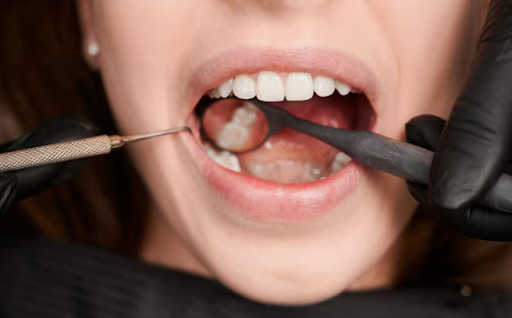
A filling restores a tooth after decay, a small fracture, or the removal of an older restoration. The dentist removes compromised material, prepares the tooth, and places a material that seals and supports the area. Treating a cavity early may help preserve more natural tooth structure.
Planning the Right Approach
Teeth fillings composite in Charlotte, NC use resin mixed with finely ground glass particles. The material can be selected to blend with natural enamel and is shaped in layers before being hardened with a curing light. It is commonly used for many small to moderate repairs, depending on location and bite forces.
A detailed examination is the starting point. The dentist reviews the condition of teeth and gums, bite forces, existing restorations, medical history where relevant, and the person’s priorities. Digital images, scans, or X-rays may be used when needed. This allows recommendations to be based on the whole mouth rather than a single cosmetic concern.
What to Expect
At an appointment for Teeth Fillings Composite in Charlotte, NC, the dentist checks whether a simple filling is enough or whether a crown, inlay, onlay, or another restoration would better support the remaining tooth. Mild short-term sensitivity may occur, but ongoing pain or a high bite should be reviewed.
Clear planning also helps patients understand the likely stages of care. A good discussion should cover the expected result, alternatives, treatment time, maintenance, and any limits of the proposed approach. Patients should have time to ask questions, review options, and decide whether the plan fits their needs before treatment starts.
Protecting Oral Health
Daily home care remains important after any dental treatment. Brushing with fluoride toothpaste, cleaning between teeth, and attending regular professional reviews help protect natural teeth, gums, and restorations. Problems such as pain, looseness, swelling, sensitivity that does not settle, or a change in bite should be assessed promptly.
Long-term success is not based only on an immediate visual change. Oral health, comfortable function, bite stability, and practical maintenance all matter. Habits such as clenching, grinding, smoking, or chewing hard objects may influence what is appropriate and whether additional protection or follow-up is useful.
Questions for the Consultation
- What is the most conservative suitable option?
- What will treatment involve and how long may it take?
- What maintenance or future care should be expected?
- How will the plan support bite comfort and oral health?
Looking at the Whole Smile
A consultation for Teeth Fillings Composite in Charlotte, NC should connect the proposed treatment to the person’s overall oral health and long-term goals. Clear records, honest discussion, and staged care allow choices to be made with realistic expectations rather than pressure.
People considering Teeth Fillings Composite in Charlotte, NC should also ask how the treatment may change over time and what follow-up will be needed. Understanding these details supports a more confident decision.
Regular reviews provide an opportunity to monitor comfort, hygiene, function, and any changes that may need early attention. This supports long-term care and helps patients maintain a clear understanding of their treatment plan.
Regular reviews provide an opportunity to monitor comfort, hygiene, function, and any changes that may need early attention. This supports long-term care and helps patients maintain a clear understanding of their treatment plan.
Regular reviews provide an opportunity to monitor comfort, hygiene, function, and any changes that may need early attention. This supports long-term care and helps patients maintain a clear understanding of their treatment plan.
Regular reviews provide an opportunity to monitor comfort, hygiene, function, and any changes that may need early attention. This supports long-term care and helps patients maintain a clear understanding of their treatment plan.
Caring for a New Filling in the First Few Days
Once the appointment is over, it is sensible to take things gently while the area settles. If your mouth still feels numb, wait until that feeling has passed before eating, so you do not bite your cheek or tongue without noticing. Start with softer foods and chew on the other side at first, and avoid very hot or cold drinks if the tooth feels sensitive, as mild sensitivity is common for a short while.
Be careful with sticky or very hard foods in those early days, as they can pull at or put extra pressure on a new restoration. Keep up gentle brushing and take care around the treated tooth, following any specific advice your dentist gave you. Rest, patience and a calm first day or two usually make the adjustment feel much easier.
Signs a Filling May Need Attention
Some brief sensitivity after treatment does not always mean there is a problem, but changes that linger or keep returning are worth mentioning. Contact your dentist if sensitivity does not settle, if you notice roughness or a sharp edge, or if part of the filling looks chipped, cracked or missing. These are signs to have checked, not reasons to try to diagnose the cause yourself.
Pain when biting, food repeatedly catching around the tooth, or a feeling that the bite is uneven should also prompt a call. Mention when the discomfort started and what seems to trigger it, as that detail helps the dentist examine the area. Seeking advice sooner rather than later can prevent a small concern from becoming a larger piece of work.
Frequently Asked Questions
How long should sensitivity last after a filling? Sensitivity varies from person to person and often settles over a short period, but if it lingers, worsens, or keeps returning, contact your dentist for advice rather than waiting and worrying.
Can I eat normally straight away? Wait until any numbness has worn off first, then start gently with softer foods and avoid chewing hard or sticky items on the treated tooth until it feels comfortable again.
What should I do if my filling feels rough? Do not try to smooth or adjust it yourself. Note how it feels, avoid poking at it with your tongue too often, and ask your dentist to check and polish it if needed.
Making an Informed Choice
Tooth-colored fillings can be part of a broader conversation about appearance and function, but the right choice depends on a personal examination. A dentist can explain suitable options, likely maintenance, and the expected result before treatment begins. Careful planning helps ensure that any change supports healthy teeth, comfortable function, and a smile that feels natural.
After restoring a tooth, you might also think about alignment. Our guide to SureSmile aligners, how they work and who can use them offers a helpful starting point if you are considering straighter teeth as a next step.
For general background on how fillings repair damaged teeth, Wikipedia’s overview of dental restoration is a helpful reference, and patients comparing teeth fillings composite in Charlotte NC can use it to understand the materials before a consultation.
Preventive care complements any restoration; see how a teeth cleaning dentist supports long-term oral health.