

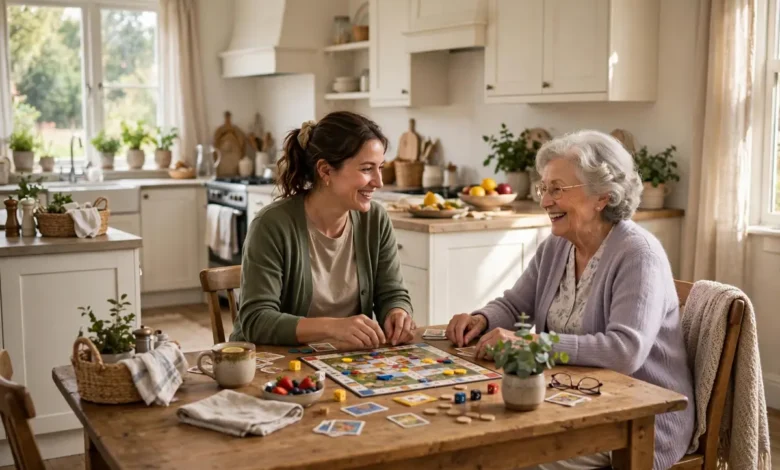

Aging brings many changes that can affect a senior’s daily routine, independence, and social connections. While many older adults prefer to continue living in the comfort of their own homes, they may need additional support with everyday activities, emotional well-being, and maintaining an active lifestyle. Elder companion care provides a valuable solution by offering seniors meaningful interaction, assistance with daily tasks, and reassurance for both individuals and their families.
Unlike traditional care options that may focus primarily on medical needs, companion care emphasizes emotional connection, social engagement, and practical assistance. It helps seniors remain involved in their routines while receiving the support they need to maintain comfort and confidence at home. Family Ties Home Care provides customized companion and personal care services that include social interaction, household assistance, transportation support, meal preparation, and other daily activities designed around individual needs.
What Is Elder Companion Care?
Elder companion care is a type of non-medical support designed to help older adults maintain independence while receiving regular assistance and companionship.
A companion caregiver may help with:
- Friendly conversations and social interaction
- Meal preparation
- Light housekeeping
- Grocery shopping
- Transportation to appointments
- Medication reminders
- Hobbies and recreational activities
- Family communication
The primary goal is to reduce feelings of loneliness while helping seniors stay connected with their surroundings and daily routines. Companion care can be especially beneficial for older adults who live alone or have limited opportunities for regular social interaction.
Why Companionship Matters for Seniors
Social connection plays an important role in overall quality of life. Many seniors experience reduced social interaction due to retirement, mobility challenges, health changes, or the loss of close relationships.
Regular companionship can help by:
Reducing Loneliness
Having someone available for conversation and shared activities can provide emotional comfort and a greater sense of connection.
Encouraging Mental Engagement
Caregivers can encourage seniors to participate in activities such as:
- Reading
- Games
- Crafts
- Music
- Conversations
- Memory-focused activities
Supporting Daily Routines
A consistent caregiver presence can help seniors maintain structure throughout the day.
Services Included in Companion Care
A professional companion caregiver can provide support based on the unique needs of each senior.
Common services include:
Meal Support
Caregivers may assist with meal planning, preparation, and ensuring seniors maintain healthy eating habits.
Household Assistance
Light housekeeping tasks such as laundry, organizing, and maintaining a safe living environment can make everyday life easier.
Errands and Transportation
Many older adults benefit from assistance with:
- Grocery shopping
- Medical appointments
- Community activities
- Personal errands
Social Activities
Caregivers often encourage participation in hobbies and activities that promote emotional well-being.
Family Ties Home Care includes services such as meal preparation, light housekeeping, transportation, errands, socialization, hobbies, and family communication as part of its companion care offerings.
Difference Between Companion Care and Personal Care
While companion care focuses primarily on social support and daily assistance, personal care involves more hands-on help with activities of daily living.
Personal care may include:
- Bathing assistance
- Grooming
- Dressing
- Mobility support
- Hygiene assistance
- Eating assistance
Some seniors may require both types of support depending on their health conditions and level of independence. Combining services can create a more complete care plan that addresses emotional, practical, and physical needs.
Benefits of Home-Based Companion Support
Many seniors prefer receiving assistance in a familiar environment rather than moving to a care facility.
Benefits of in-home support include:
Maintaining Independence
Seniors can continue following their preferred routines while receiving assistance when needed.
Increased Comfort
Remaining at home allows older adults to stay surrounded by familiar belongings, memories, and surroundings.
Family Peace of Mind
Family members gain reassurance knowing their loved ones have regular support and social interaction.
Personalized Assistance
Care plans can be adjusted based on changing needs and preferences. Family Ties Home Care offers customized short-term and long-term care plans designed to support seniors and individuals needing assistance at home.
How Families Can Choose the Right Companion Care Provider
Selecting the right caregiver requires careful consideration.
Important factors include:
Experience and Training
Caregivers should have appropriate experience working with older adults.
Personalized Care Plans
Every senior has different needs, preferences, and routines.
Communication
Reliable communication between caregivers, seniors, and family members helps ensure quality support.
Trust and Compatibility
A positive relationship between the senior and caregiver is essential for effective companionship.
Families should look for providers that prioritize dignity, respect, safety, and compassionate support.
The Growing Importance of Home Care Companionship
As more seniors choose to age in place, the demand for supportive services continues to increase. Home care companionship helps address the emotional and practical challenges that may come with aging by providing consistent interaction and assistance within the home environment.
Beyond completing daily tasks, companion caregivers contribute to a senior’s sense of connection, confidence, and independence. This type of support allows families to create a balanced approach to caregiving while ensuring older adults receive meaningful attention.
Conclusion
Aging does not mean losing independence or connection. Elder companion care provides seniors with valuable emotional support, practical assistance, and opportunities for meaningful engagement while allowing them to remain comfortable at home. Choosing professional home care companionship can give families confidence that their loved ones are receiving respectful and personalized support while maintaining their independence and dignity. By helping with daily routines, encouraging social activities, and providing reliable companionship, caregivers can improve the overall quality of life for older adults.
Families researching care options may also find it useful to read a plain-language explainer on how SureSmile aligners work and who can use them, as another example of weighing a health decision before committing.