
In a world dominated by emails, instant messaging, and collaboration platforms, it’s easy to assume that traditional business letters have become outdated. However, formal written communication remains an important part of professional life. Whether you’re applying for a job, submitting a formal request, communicating with government agencies, or handling business agreements, the way you structure your message can influence how it is received.
Many professionals still rely on a professional letter format because it provides clarity, credibility, and a level of professionalism that casual communication often lacks. Even in digital environments, structured business correspondence continues to play a valuable role.
The Importance of Professional Communication
First impressions matter. Research from various workplace communication studies shows that clear and professional communication improves trust, strengthens business relationships, and reduces misunderstandings.
A properly formatted letter demonstrates attention to detail and respect for the recipient. It signals that the sender has taken the time to organize their thoughts and present information in a professional manner. This can be especially important when communicating with clients, executives, legal departments, educational institutions, or government organizations.
Unlike casual emails, formal letters create a stronger sense of importance and permanence.
Why Formal Letters Still Have Value
Establishing Credibility
Professional communication helps build confidence between parties. When a letter follows recognized business standards, readers can quickly identify important information and understand the purpose of the message.
Organizations often view professionally written correspondence as more reliable and trustworthy than informal communication.
Creating a Permanent Record
Formal letters serve as documented records of communication. Businesses frequently use them for:
- Contract discussions
- Policy explanations
- Customer complaints
- Legal notifications
- Employment matters
- Official requests
Having a clear written record helps prevent disputes and provides valuable documentation when needed.
Supporting Professional Branding
Every interaction contributes to how individuals and organizations are perceived. A well-written letter reflects positively on both the sender and the company they represent.
Consistent communication standards help reinforce professionalism and strengthen brand reputation over time.
Benefits in Today’s Digital Environment
Some people assume that email has completely replaced traditional letters. In reality, many modern communications combine digital delivery with formal business writing principles.
Improved Readability
Structured letters make information easier to process. Clear sections, proper spacing, and logical organization allow readers to quickly identify:
- The purpose of the communication
- Key requests
- Important deadlines
- Required actions
This reduces confusion and increases the likelihood of a prompt response.
Greater Professional Impact
A formal message often receives more attention than a casual email. When recipients see a professionally structured document, they are more likely to recognize the importance of the communication.
This can be particularly beneficial when addressing sensitive topics or requesting action from decision-makers.
Better Cross-Cultural Communication
Business is increasingly global. Formal writing standards provide a universal framework that helps people from different cultural and professional backgrounds communicate more effectively.
Clear structure reduces ambiguity and makes communication easier to understand across international markets.
Essential Elements of an Effective Business Letter
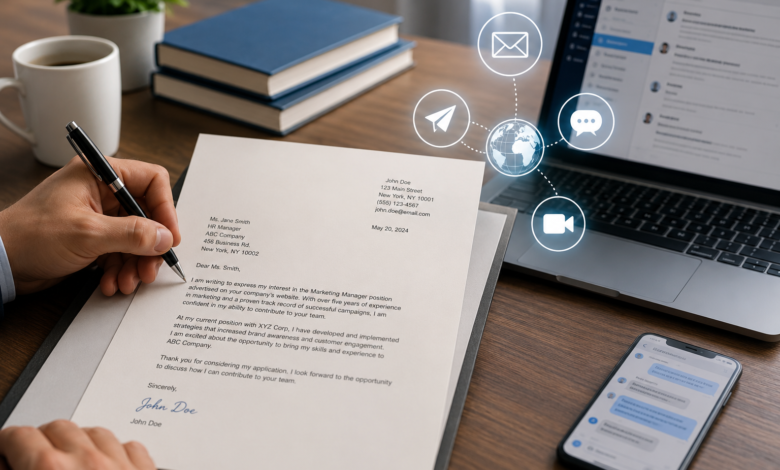
A professional letter typically includes:
- Sender’s contact information
- Date
- Recipient’s information
- Formal greeting
- Clear introduction
- Organized body paragraphs
- Specific call to action
- Professional closing
- Signature
Maintaining consistency throughout these sections helps create a polished and credible document.
Common Mistakes to Avoid in a Professional Letter Format
Even experienced professionals sometimes make errors that reduce the effectiveness of their communication.
Common issues include:
- Using overly casual language
- Writing long, unfocused paragraphs
- Omitting key contact information
- Failing to clearly state the purpose
- Using inconsistent formatting
- Neglecting proofreading
Simple improvements in these areas can significantly increase the impact of a letter.
Adapting Traditional Standards for Modern Communication
Today’s professionals often send formal letters as PDFs, email attachments, or digitally signed documents. While the delivery method has evolved, the principles behind effective business correspondence remain largely unchanged.
Clarity, professionalism, and organization continue to be essential components of successful communication. Modern tools may speed up delivery, but they do not replace the need for thoughtful structure and presentation.
Common Mistakes That Weaken a Professional Letter
Even a well-structured letter can lose its effect through small, avoidable slips. One common mistake is a tone that misses the relationship: overly casual wording to a new client can look careless, while stiff, old-fashioned phrases to a long-standing colleague can feel distant. Another is burying the purpose, so the reader reaches the second paragraph still unsure whether you are asking, confirming, applying or complaining; a clear subject line and an opening sentence that states the point prevent that.
Weak endings cause trouble too, with a vague sign-off, no clear next step, or missing contact details that leave the reader guessing what happens now. Finally, simple presentation errors, such as the wrong name or title, unchecked dates and figures, and a letter that was never proofread, undermine the professional impression the format is meant to create.
Printed Letter or Business Email: Choosing What Fits
Many professional messages now travel by email, but the printed letter has not disappeared. A printed letter still fits formal moments: official applications, complaints that need a record, formal or contractual matters, and occasions where a signature and a considered tone carry weight.
Email suits everyday business communication, where speed matters, the exchange may continue back and forth, and attachments or links need to be shared. Whichever you choose, most of the discipline carries over: a specific subject line in an email does the job of a clear opening on paper, short paragraphs, a polite tone and an accurate closing matter in both, and a complete signature with your name, role and contact details replaces the letterhead as the reader’s reference point.
Frequently Asked Questions
Question: Does a professional letter always need a subject line? Answer: It is strongly advisable. A short subject line, placed before the greeting, tells the reader the purpose at a glance, makes the letter easier to file and refer back to, and helps ensure the message is not misunderstood as something more general.
Question: How should I end a professional letter? Answer: Close by matching the greeting and the tone of the letter, thanking the reader where appropriate and stating any next step clearly. Then sign your name and add your printed name, role and contact details so the reader knows exactly who has written to them.
Question: Can I use the same structure for a business email? Answer: Yes, in most cases. Keep the subject specific, open politely, cover one clear purpose in short paragraphs, and finish with a courteous closing and a full signature. The format adapts well; you simply leave out the printed addresses and date block.
Conclusion
The digital age has transformed how we communicate, but it has not eliminated the need for professional business correspondence. Formal letters continue to serve important functions in business, education, government, and legal environments.
By following established communication standards, professionals can improve credibility, create stronger relationships, and ensure their messages are understood. Whether delivered electronically or in print, a well-structured letter remains one of the most effective tools for professional communication.