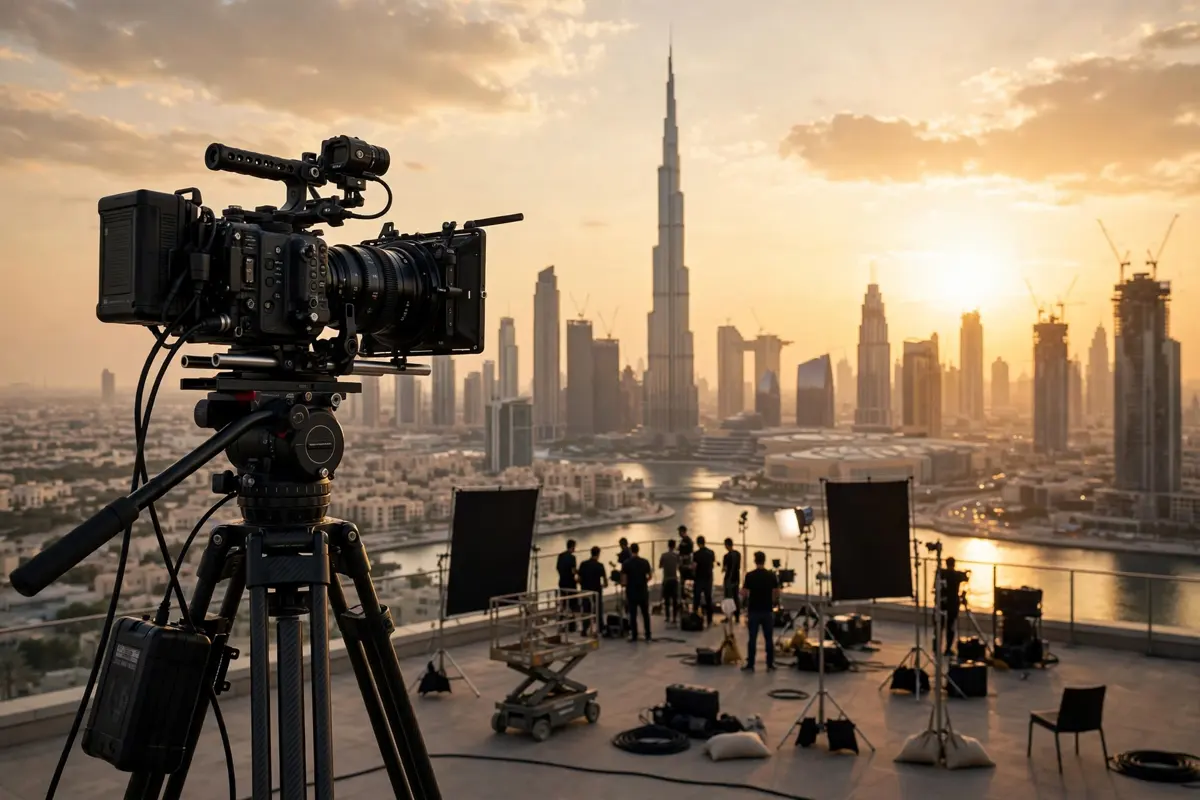
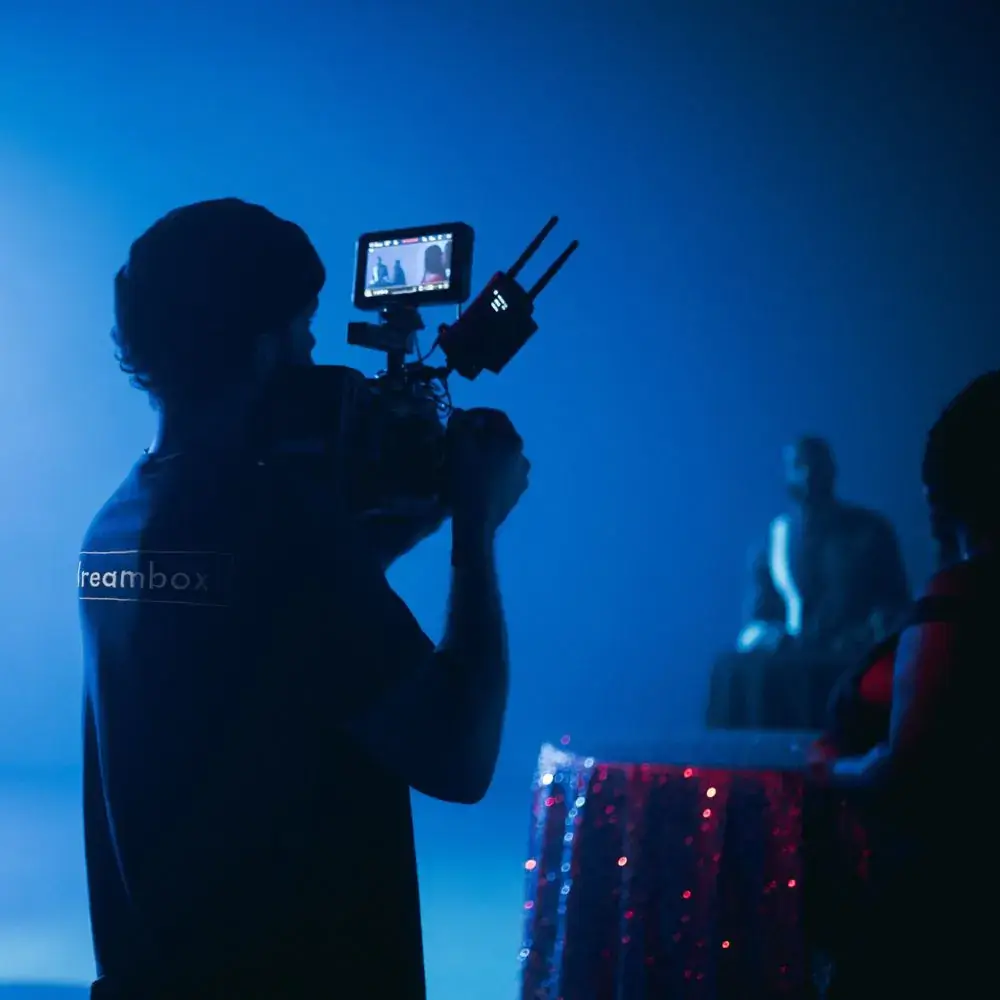
In today’s digital-first world, video has become one of the most effective ways to communicate ideas, educate audiences, and showcase products or services. Businesses, organizations, and individuals increasingly rely on professional video content to tell compelling stories across websites, social media platforms, television, and digital advertising. As demand for high-quality visual content grows, video production in Dubai has emerged as an important part of the city’s thriving creative industry.
Dubai’s reputation as a global business and innovation hub has created opportunities for a wide range of video production projects, including corporate films, promotional videos, documentaries, educational content, commercials, and event coverage. Producing impactful videos requires much more than simply recording footage—it involves careful planning, technical expertise, creative storytelling, and professional post-production. Industry experts emphasize that well-produced videos help communicate messages clearly while increasing audience engagement across digital platforms.
What Is Video Production?
Video production is the complete process of creating video content, beginning with concept development and ending with the final edited product. Each stage contributes to the overall quality and effectiveness of the finished video.
In practice, that means every project here is planned around the city’s locations, crews and schedules, and good video production in Dubai depends as much on preparation as on the shoot day itself.
The production process generally includes:
- Concept development
- Scriptwriting
- Storyboarding
- Location planning
- Filming
- Audio recording
- Video editing
- Color correction
- Sound design
- Final delivery
Choosing professional video production in Dubai services ensures that every stage is carefully managed to achieve a polished and engaging result.
Why Professional Video Production Matters
High-quality videos help organizations communicate information in a visually engaging and memorable way. Whether the objective is education, marketing, internal communication, or public awareness, professionally produced content often performs better than basic recordings.
Some key benefits include:
Clear Communication
Videos simplify complex information by combining visuals, narration, graphics, and demonstrations into an easy-to-understand format.
Stronger Audience Engagement
Research consistently shows that video content captures attention more effectively than text alone, making it valuable for websites, presentations, and social media campaigns.
Long-Term Content Value
A professionally produced video can be repurposed across multiple digital channels, extending its usefulness well beyond its initial release.
Stages of the Video Production Process
Pre-Production
Pre-production lays the foundation for a successful project. During this phase, production teams define objectives, develop scripts, create storyboards, schedule filming, and prepare equipment.
Proper planning reduces production delays while ensuring efficient use of time and resources.
Production
The production stage involves capturing all required footage using professional cameras, lighting equipment, microphones, and stabilization systems.
Depending on project requirements, filming may include:
- Interviews
- Product demonstrations
- Corporate presentations
- Educational content
- Commercial advertisements
- Documentary footage
Professional crews focus on camera composition, lighting, audio quality, and continuity throughout filming.
Post-Production
After filming is complete, editors transform raw footage into a polished final product.
Post-production commonly includes:
- Video editing
- Motion graphics
- Visual effects
- Audio enhancement
- Color grading
- Subtitle integration
- Music synchronization
Post-production plays a significant role in improving storytelling and maintaining viewer engagement.
Choosing the Right Video Format
Different communication goals require different video formats.
Common production styles include:
Corporate Videos
These videos communicate company information, internal training, business presentations, and organizational messaging.
Promotional Videos
Promotional content introduces products, services, campaigns, or initiatives through engaging visual storytelling.
Educational Videos
Educational videos simplify complex topics using demonstrations, graphics, narration, and animations.
Documentary-Style Productions
These productions focus on factual storytelling using interviews, real-world footage, and detailed narratives.
Selecting the appropriate format ensures that the final video aligns with its intended audience and objectives.
Technology Shaping Modern Video Production
Advancements in technology continue to transform professional video production.
Modern production workflows increasingly incorporate:
- 4K and 8K video recording
- Drone cinematography
- High-speed slow-motion capture
- Motion graphics
- Artificial intelligence-assisted editing
- Cloud-based collaboration
- Remote production workflows
These innovations improve production quality while increasing creative flexibility for complex projects.
Factors That Influence Production Quality
Several elements contribute to the overall success of a professional video project.
Important considerations include:
- Well-developed scripts
- Experienced production crews
- Professional lighting
- High-quality audio recording
- Skilled editing
- Consistent visual style
- Effective storytelling
Balancing technical precision with creative direction helps produce videos that remain informative, engaging, and visually appealing.
A Pre-Production Checklist That Saves Time Later
Good pre-production starts with a clear brief: what the video is for, who it is aimed at, where it will be shown and what a successful result looks like. From there, the script, storyboard and shot list turn an idea into something a crew can actually film. Locations need to be scouted and booked, and filming in Dubai generally requires the right permissions for the places you plan to use, especially public or well-known locations, so permit arrangements should be checked early rather than left to the shoot week.
People come next on the checklist. Casting should be confirmed in good time, whether you are using professional presenters, actors or members of a client’s own team, and the crew for each shoot day needs to be booked and briefed. A realistic shooting schedule, call times, contact details for everyone involved, and a plan for equipment, transport and catering all belong in the same folder. When those pieces are written down and shared, small problems on the day stay small.
Budgeting Factors to Plan For
Budgets are shaped less by a single headline figure and more by how the production days add up. The number of crew days matters, because each extra day brings crew, presenters or cast, location costs and catering with it. Equipment choices matter too: cameras, lighting, sound kit and any specialist items such as drones or extra grip equipment may be owned in-house or hired in. Locations, permits, set dressing, costumes and make-up can all add separate lines to the plan.
Post-production is the other area that is easy to underestimate. Editing, sound work, music licensing, colour grading, graphics and subtitling all take skilled time, and further rounds of changes add more of it. Versioning for different platforms, such as shorter edits for social channels, also belongs in the budget conversation at the start rather than as a surprise at the end. Leaving a sensible margin for the unexpected, like a weather delay or an extra half-day of filming, helps the whole project stay calm and organised.
Frequently Asked Questions
What belongs in a pre-production checklist? A clear brief, script and shot list, scouted and booked locations, any filming permissions needed for those places, confirmed cast and crew, a shooting schedule and a shared plan for equipment and transport.
Do I need permission to film in Dubai? Filming usually requires permission for the locations you use, particularly public or well-known places, so permissions should be checked and arranged during pre-production rather than on the shoot day.
What most often pushes a video budget up or down? The number of crew and filming days, equipment and location needs, cast, and the amount of post-production work, including editing rounds, graphics, music and versions for different platforms.
Conclusion
As visual communication continues to dominate digital platforms, investing in professional video production in Dubai allows organizations to create informative, engaging, and high-quality content that serves a variety of communication objectives. Businesses and organizations seeking long-term value from visual content should also understand the importance of event videography in Dubai when documenting conferences, exhibitions, product launches, and other important occasions. From careful planning and professional filming to detailed post-production, every stage contributes to producing videos that effectively connect with audiences.
For production companies operating as Dubai businesses, creative work also comes with invoicing, VAT and filing responsibilities behind the scenes, which is why many owners look into how tax advisory supports FTA compliance for Dubai companies.
In short, video production in Dubai works best when concept, crew and budget are planned together from the start. The city’s media ecosystem, anchored by hubs such as Dubai Media City, gives productions strong local support — one more reason video production in Dubai keeps attracting brands and filmmakers.