

Cannabis is the most widely used illegal drug in England and Wales, with a significant proportion of adults reporting use within the past year, and an even higher rate among younger age groups. While many people use cannabis without it becoming a serious problem, others develop a dependency that affects their mental health, relationships, and daily functioning. Recognising when use has become problematic is often the first step towards seeking help, and understanding what cannabis addiction treatment actually involves can make that decision feel far less overwhelming.
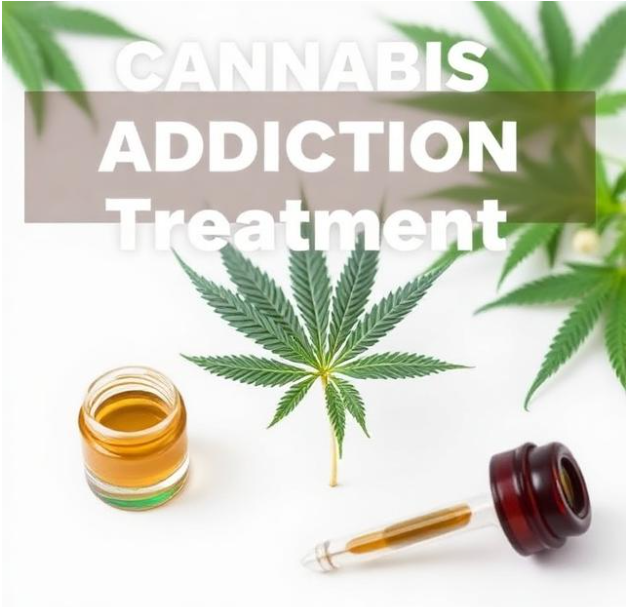
Recognising the Signs of Dependency
Cannabis dependency often develops gradually, which can make it difficult to notice at first. Common warning signs include using more than intended, needing larger amounts to achieve the same effect, and experiencing withdrawal symptoms such as irritability, anxiety, sleep disturbances, or cravings when trying to cut back.
For some people, particularly those using cannabis regularly or in high-strength forms, prolonged use has also been linked to a heightened risk of anxiety, depression, and in more serious cases, cannabis-induced psychosis. Noticing that cannabis has become a way of coping with stress, low mood, or difficult emotions, rather than an occasional habit, is often a strong indicator that professional support is needed.
What Treatment Typically Involves
A structured approach to cannabis addiction treatment generally begins with a full assessment to understand the severity of use and any related issues, including co-occurring mental health conditions. Cognitive behavioural therapy is one of the most widely used and well-evidenced approaches, helping individuals identify their triggers, challenge unhelpful thought patterns, and build practical strategies for managing life without relying on cannabis.
For those with more severe dependency, a period of residential care may be recommended. This provides a structured, distraction-free environment where individuals can focus entirely on recovery, supported by trained professionals around the clock. Programmes often combine one-to-one counselling with group therapy sessions, allowing people to process personal challenges while also connecting with others facing similar struggles. In some respects, this mirrors the structure used in alcohol rehab programmes, where a combination of therapy, peer support, and structured routine forms the backbone of treatment.
Withdrawal and What to Expect Physically
Cannabis withdrawal is generally considered less severe than withdrawal from substances such as alcohol or opioids, and it is not typically life-threatening. That said, symptoms can still be uncomfortable, particularly for long-term or heavy users. These may include insomnia, decreased appetite, restlessness, sweating, and mood changes, usually peaking within the first few days and gradually easing over one to two weeks. Because of this, many treatment plans for cannabis addiction treatment place greater emphasis on the psychological and behavioural side of recovery rather than intensive medical detox, although support is still available for those who need it.
Getting the Right Support
Finding appropriate help can feel like a significant hurdle, particularly for people who are unsure where their use falls on the spectrum between casual and problematic. A GP is often a useful starting point, as they can discuss options and provide referrals where appropriate. Alternatively, many people choose to approach a specialist facility directly, where a proper assessment can determine whether outpatient support, structured day programmes, or a residential stay would be most appropriate. Choosing the right addiction treatment centre is an important part of this process, since the level of structure, therapeutic approach, and aftercare support can vary considerably between providers.
Conclusion
What Support Can Look Like Day to Day
Support does not usually follow one fixed pattern, and it often starts with a straightforward conversation rather than a formal programme. A doctor or a local support service can be a first point of contact, and talking therapies are commonly part of the help offered for problem cannabis use. Those conversations can explore triggers, routines, sleep, mood, and the situations where use feels hardest to resist, and can help someone build practical coping strategies and a plan for cutting down or stopping. Progress is often gradual, and many people need more than one attempt, which is normal rather than a failure.
Alongside one-to-one help, some people find support groups useful, in person or online, because hearing from others with similar experiences can make change feel less isolating. Many areas also have helplines and local services that can talk through options in general terms and point people toward support nearby. What matters most is finding help that feels trustworthy, and being honest about what is and is not working, so support can be adjusted.
Supporting a Friend or Family Member
If someone you care about is struggling, you can help without trying to take over. Choose a calm moment, say what you have noticed in plain, non-judgemental terms, and listen properly before offering opinions. Blame and ultimatums given in anger rarely land well, while clear, kind honesty about how their use affects you can be heard. Offer practical help, such as finding local services together, going with them to a first appointment if they want that, or helping them avoid situations they find difficult.
Look after yourself as well: supporting someone else can be tiring and worrying, and there is support for families and friends too. You cannot make the change for them, but steady, honest support can make it easier for them to make it themselves.
Frequently Asked Questions
Where can someone start if they want help? A doctor or a local support service is a common first step, and helplines can also talk through options in general terms. You do not need to have everything figured out before asking for help.
Does someone have to accept a label before they can get support? Generally, support focuses on how use is affecting a person’s life and what they would like to change, rather than on a label. The first conversation is usually about understanding the situation, not judging it.
What if someone I care about does not want help? You can still be honest about your concerns, set boundaries you need, and look after yourself. Keep the door open, seek support for yourself if you need it, and remember that you cannot force someone else to change.
Cannabis addiction can affect anyone, regardless of how long they have been using or how their habit began, and recognising the signs early makes recovery considerably more manageable. With the right combination of assessment, therapy, and structured support, individuals can address both the psychological and practical sides of dependency and build a sustainable path forward. Providers such as Acquiesce Rehab are among those offering this kind of tailored, professional support for people ready to take that first step towards recovery.
Understanding a treatment before starting it matters in every area of health. Readers may also want to see how SureSmile aligners work and who can use them as a clear example of checking suitability first.
Cannabis addiction treatment works best when it fits the person, not one fixed route. For many people, cannabis addiction treatment starts with regular check-ins, honest talk about triggers, and support that continues after the first difficult weeks.
Cannabis addiction treatment is not only about stopping use; it is also about rebuilding routines. Good cannabis addiction treatment reviews sleep, mood and daily habits, then adjusts support as life becomes steadier.
Related Reading
If you are at the very start of recovery, read Getting Through the First Few Days.
Compulsive habits can surface in other ways too — our guide on how to stop compulsive skin picking looks at common triggers and practical steps for breaking the cycle.
Cannabis also appears in pain management discussions — patients considering medical cannabis for sciatica pain can read what UK patients should know first.
Assessments start most treatment journeys — parents can see what to expect at a child’s first therapy assessment.