

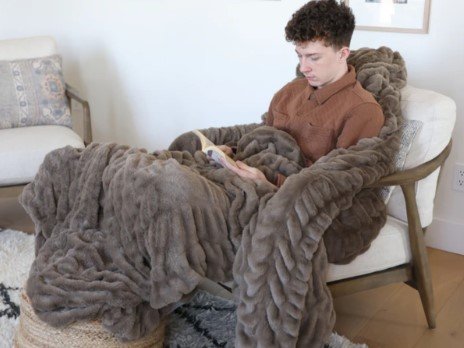
A blanket can look attractive and still feel disappointing if the fabric is too rough, too heavy, difficult to wash, or poorly suited to the season. Comfort depends on several factors working together, including fibre type, softness, weight, breathability, size, construction, and maintenance. For people choosing comfy blankets for a sofa, bedroom, reading corner, or guest space, understanding these details can make the difference between a decorative purchase and something that becomes part of everyday life.
The best blanket is not necessarily the thickest or most expensive option. It is the one that matches the user’s preferred warmth level, tactile feel, living environment, and care routine.
1. Softness Should Feel Comfortable Against the Skin
Texture is one of the first characteristics people notice when handling comfy blankets.
Plush materials can create a soft, velvety feel, while woven cotton and other natural fibres may provide a smoother or more breathable surface. Personal preference matters because some people enjoy a deep, fluffy pile while others prefer a lighter texture.
A useful blanket should feel pleasant during prolonged contact, especially when it is used directly against bare arms, legs, or the face.
Softness should also remain relatively consistent after cleaning. A blanket that feels exceptionally smooth when new but quickly becomes matted may provide poor long-term value.
2. Weight Can Change the Feeling of Comfort
Blanket weight influences how cosy it feels.
Some people prefer lightweight comfy blankets that are easy to move and layer. Others enjoy a denser blanket that provides a more substantial feeling when draped across the body.
Weight should be considered together with insulation. A bulky blanket is not automatically warmer, because warmth also depends on fibre structure and how effectively the material traps air.
Medium-weight options are often versatile because they can be used on cooler evenings without becoming overly cumbersome.
3. Breathability Matters for Year-Round Use
A warm blanket that traps too much heat can become uncomfortable.
Breathability allows heat and moisture to move away from the body, helping maintain a more balanced temperature. This is particularly important for people who tend to become warm while relaxing or sleeping.
When comparing comfy blankets, consider whether the product will mainly be used during winter or throughout the year.
Highly insulating plush fabrics may suit cold environments, while lighter materials can be more adaptable during transitional seasons. Layering also provides flexibility because multiple light blankets can be adjusted more easily than one extremely heavy option.
4. Choose a Size That Fits the Way You Relax
Blanket dimensions are often overlooked.
A throw used on a sofa does not need to be the same size as a blanket intended to cover a bed. However, a blanket that is too small may require constant repositioning and provide incomplete coverage.
Before purchasing comfy blankets, consider whether they will be used by one person, shared by two people, or placed primarily as decorative layers.
Oversized options can be useful for lounging because they provide enough fabric to cover the legs and upper body simultaneously. Smaller throws may be easier to fold, store, and move between rooms.
5. Construction Affects Long-Term Comfort
Comfort is not limited to the fabric surface.
Seams, hems, stitching, and edges can all influence how a blanket feels and how well it holds up over time. Poorly finished edges may curl, stretch, or become rough after repeated washing.
For plush comfy blankets, pile density can also affect quality. Dense, even material generally feels more substantial than fabric with thin or irregular areas.
Inspecting corners and edge finishing can reveal a great deal about construction quality. Online buyers should look closely at detailed photographs and product specifications rather than judging only by styled room images.
6. Easy Care Makes a Blanket More Practical
A blanket used frequently will eventually need cleaning.
Machine-washable materials are often more practical for sofas, guest rooms, children’s spaces, and homes with pets. However, washing instructions vary, and high temperatures can damage certain synthetic fibres or alter their texture.
Before purchasing comfy blankets, check recommended wash temperature, drying method, and whether fabric softener or high heat should be avoided.
Following care instructions can help reduce matting, shrinkage, loss of softness, and changes in shape.
A luxurious-feeling blanket that is too difficult to maintain may end up being used far less often than a simpler, washable option.
7. Colour and Texture Should Work With the Room
Blankets also influence interior styling.
Neutral colours can blend easily with different furniture and seasonal décor, while richer shades or patterns can create a stronger focal point. Texture adds another layer of visual interest.
A plush blanket can soften rooms dominated by hard surfaces such as wood, leather, metal, or glass. In a bedroom, layering a contrasting throw across the foot of the bed can make the space feel warmer without changing larger furnishings.
The most versatile comfy blankets often combine a practical colour with a texture that adds depth rather than overwhelming the room.
8. Durability Matters More Than Initial Softness
Very soft fabric can be appealing, but long-term performance is equally important.
Repeated use can expose blankets to friction, stretching, pet hair, spills, and frequent washing. Some fabrics may pill or shed, while others gradually lose their original texture.
When choosing comfy blankets, consider whether the material is suitable for everyday use rather than occasional display.
A blanket intended for a busy family room should generally prioritise durability and easy cleaning. A decorative guest-room throw may face much less wear and can therefore be selected more heavily on appearance.
Are Plush Blankets Good for Cold Weather?
Plush blankets can be effective in colder conditions because dense fibres can trap insulating air.
However, their warmth depends on thickness, fibre density, and overall construction. Two blankets that look similar can provide noticeably different insulation.
People who live in climates with changing temperatures may prefer a medium-weight plush option that can be layered when necessary.
For sleeping, comfort should also be considered alongside bedding already in use. Adding an extremely warm throw on top of a heavy duvet may cause overheating rather than improving comfort.
How Can You Keep a Blanket Soft for Longer?
Correct laundering is one of the most important factors.
Use the recommended wash settings and avoid excessive heat unless the care label specifically allows it. High temperatures can affect some synthetic fibres, while aggressive drying can change pile texture.
Washing similar fabrics together may also reduce friction and snagging.
Regularly shaking out the blanket after drying can help restore loft in some plush materials. Storing it in a clean, dry place when not in use also protects it from moisture, dust, and unwanted odours.
Conclusion
Comfortable blankets combine tactile softness with the right weight, breathability, dimensions, construction, and maintenance requirements. The best comfy blankets are those that suit how and where they will actually be used, whether that means daily sofa lounging, bedroom layering, or occasional guest use. When comparing minky blankets for sale, it is worth looking beyond surface softness and considering fabric density, durability, washing instructions, size, and intended season. A thoughtful choice can make a blanket more useful for longer. By balancing warmth, texture, care requirements, and room styling, homeowners can select options that remain comfortable and practical rather than becoming purely decorative.
Taken together, these checks show why comfy blankets are a practical comfort upgrade rather than a quick impulse buy. The right comfy blankets should feel good on day one and still perform well after months of everyday use. Bottom line, comfy blankets earn their place when softness, warmth and easy care come together.
Related Reading
For a colourful take on cosy layering, read How Purple Throw Blankets Add Comfort and Style to Modern Homes.