

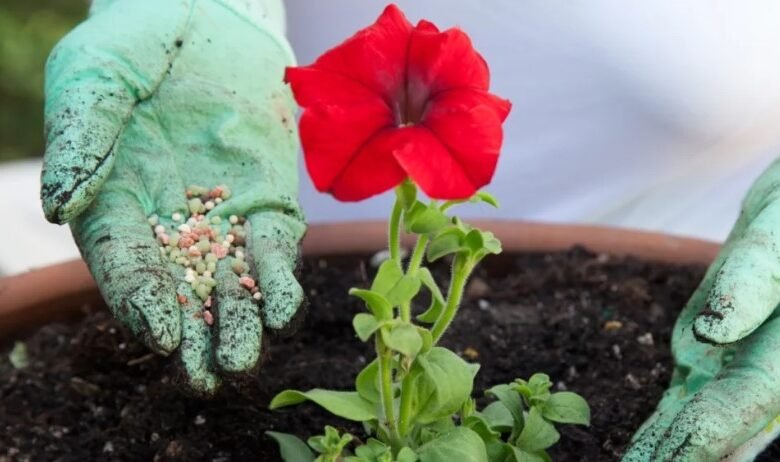
Growing vibrant, healthy roses and flowering plants requires more than just water and sunlight. Soil often lacks the specific nutrients these plants need to produce strong stems, lush foliage, and abundant blooms over time. This is where rose and flower fertilizer becomes essential, providing a balanced mix of nutrients that support root development, flowering, and overall plant vitality. Understanding what goes into a quality fertilizer, how it works, and when to apply it can make a significant difference in the health and appearance of any flower garden throughout the growing season.
Why Nutrient Balance Matters for Flowering Plants
Flowering plants have different nutritional needs compared to leafy greens or vegetables. They require a careful balance of nitrogen, phosphorus, and potassium, often abbreviated as NPK, along with trace minerals that support bloom production and root strength. A well-formulated rose and flower fertilizer typically emphasizes phosphorus and potassium slightly more than nitrogen, since excessive nitrogen can lead to lush foliage at the expense of flower production.
The Role of Nitrogen, Phosphorus, and Potassium
Nitrogen supports leafy growth, phosphorus encourages root development and flowering, and potassium strengthens the plant’s overall resistance to stress and disease. Striking the right balance between these three elements is critical for roses and other flowering plants that are expected to bloom repeatedly throughout a season.
Micronutrients and Soil Health
Beyond the primary nutrients, trace elements like calcium, magnesium, and iron play a supporting role in plant health. Deficiencies in these micronutrients can manifest as yellowing leaves, weak stems, or reduced flowering, even when primary nutrient levels are adequate. Quality rose and flower fertilizer formulations often include these trace elements to address subtle deficiencies before they become visible problems.
When and How Often to Fertilize
Timing plays a significant role in fertilizer effectiveness. Most flowering plants benefit from feeding during active growing seasons, typically spring through early fall, with reduced or paused applications during dormancy. Over-fertilizing can be just as harmful as under-fertilizing, potentially causing root burn or nutrient buildup in the soil, so following recommended application schedules is important for long-term plant health.
Signs Your Plants Need Feeding
Pale leaves, slow growth, and fewer blooms than expected are common signs that flowering plants may need additional nutrients. On the other hand, excessive leaf growth without corresponding flower production can indicate too much nitrogen relative to other nutrients, signaling a need to adjust the rose and flower fertilizer ratio being used.
The Benefits of Organic Enriched Feeding for Flowering Plants
Organic enrich fertilizers work by slowly breaking down through microbial activity in the soil, releasing nutrients gradually rather than all at once. This slow-release process reduces the risk of nutrient burn while feeding the plant consistently over an extended period. Organic enrich feeding also improves overall soil structure, encouraging beneficial microorganisms and earthworm activity that contribute to healthier root systems. Over time, this builds a more resilient growing environment, one that retains moisture better and supports stronger, more consistent blooms season after season without the risk of chemical buildup in the soil.
Application Tips for Best Results
Applying fertilizer correctly is just as important as choosing the right formulation. Working fertilizer gently into the top layer of soil, avoiding direct contact with stems, and watering thoroughly afterwards helps nutrients reach the root zone effectively. Consistent, moderate feeding tends to produce better long-term results than infrequent heavy applications, which can shock the plant or lead to nutrient runoff.
A Simple Seasonal Feeding Calendar
A calendar keeps feeding tied to what the plant is doing, rather than to the date alone. In spring, as new growth starts, plants are building leaves and roots, so a balanced feed at the start of the season helps them begin strongly. Follow the product label for amounts and timing, and feed onto moist soil where possible. As buds begin to form, flowering becomes the priority, and continuing with a feed suited to blooms supports that stage without forcing soft, leafy growth.
Through the main bloom season, little and often usually works better than one heavy application, especially for pots, where nutrients wash out with watering. Keep an eye on the plant rather than the packet alone: steady growth and good colour suggest the routine is about right. Towards autumn, ease back as growth slows and plants prepare to wind down. Feeding late, lush growth in cooler weather is rarely helpful, and in many gardens feeding stops over winter while plants are resting, starting again when spring growth returns.
Troubleshooting Common Feeding Problems
Yellowing leaves can have several causes, so look at the whole plant before adding more feed. It can point to a shortage of a nutrient, but also to waterlogged or very dry soil, poor drainage in pots, or roots that cannot take up what is already there. Check moisture and drainage first, and only feed if the plant is actually due and the soil conditions are right. Adding extra fertilizer to a stressed plant can make matters worse.
Lots of leaves but few blooms often suggests the balance is wrong, for example too much emphasis on leafy growth, too little light, or buds being affected by weather or pruning at the wrong time. Review light and feeding balance together. Signs of fertilizer burn can include scorched or browning leaf edges, wilting despite moist soil, and a white crust on the soil surface in pots. If you suspect it, stop feeding, water plainly to help flush the soil where drainage allows, and let the plant recover before feeding again, more cautiously.
Frequently Asked Questions
Can I use the same fertilizer for roses and other flowers? Often a balanced flower fertilizer suits a range of flowering plants, but always follow the label for each plant group. Roses in the ground and flowers in pots may need different frequency because pots lose nutrients faster with watering.
Should I feed a plant that looks unwell? Not straight away. Check water, drainage, light and signs of pests or disease first, because feeding a stressed plant can add to the problem. Feed again only when the likely cause is addressed and growth is active.
Is it possible to overfeed flowering plants? Yes. Too much fertilizer can cause leaf scorch, weak lush growth and fewer blooms, and can build up in pot soil. Following label amounts and feeding onto moist soil helps avoid it.
Conclusion
Choosing the right rose and flower fertilizer and applying it correctly can transform the health and appearance of any flower garden, leading to stronger plants and more consistent blooms throughout the growing season. Many gardeners also incorporate organic amendments like neem cake pellets into their feeding routine, as it supports soil health while offering natural pest-deterrent properties, making it a valuable addition to a well-rounded fertilization plan.
Get the basics right — the right rose and flower fertilizer, applied little and often — and most feeding problems disappear. A general background read on fertilizer types and nutrient release also helps you read any label with confidence before you next apply rose and flower fertilizer.
Related Guides
Feeding is only part of good plant care — for a statement evergreen to plant alongside your beds, see our guide to growing Italian cypress for planting and aftercare tips.