
Woodworking requires precision, control, and the right selection of tools to achieve smooth finishes and accurate shaping. Whether working on furniture, sculpture, or detailed carving projects, craftsmen often rely on specialized hand tools to refine surfaces and shape materials effectively.
One tool commonly valued by woodworkers is the hand stitched rasp, known for its ability to remove material smoothly while offering greater control during shaping and finishing tasks. Its design allows artisans to work on curved surfaces, edges, and detailed areas with accuracy.
What is a Hand Stitched Rasp?
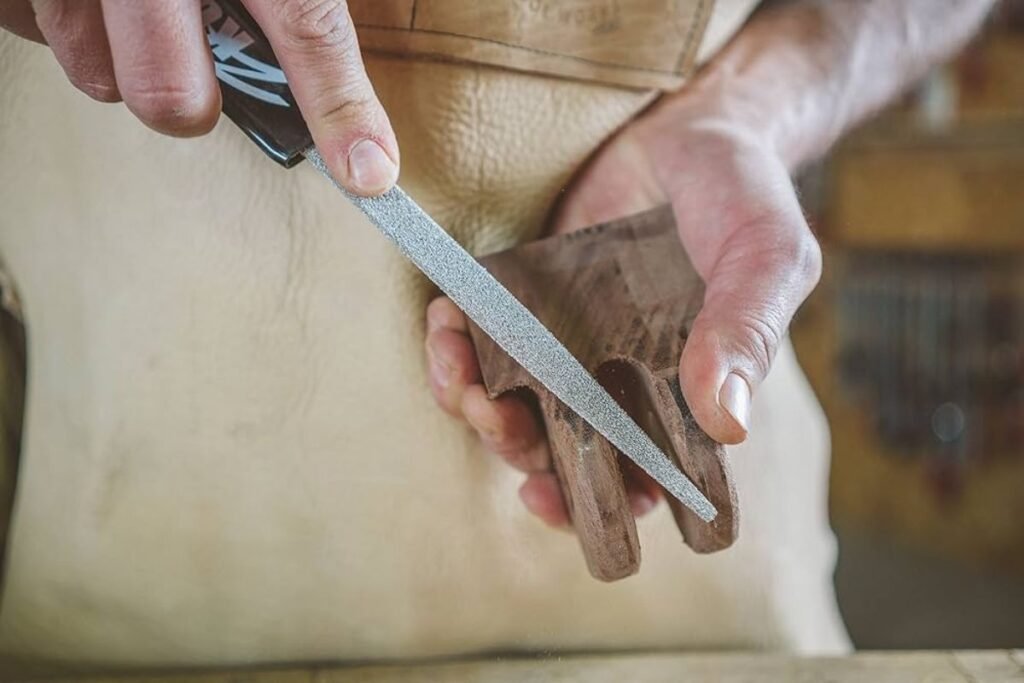
A rasp is a shaping tool used to remove wood and refine surfaces during woodworking projects. Unlike machine-made rasps, a hand-made rasp is crafted using individually cut teeth arranged in patterns that help create a smoother cutting action.
The hand-stitching process allows the tool to produce more controlled and consistent material removal while reducing rough scratch patterns on wood surfaces.
Woodworkers often use a hand stitched rasp for shaping chair components, sculptural details, instrument making, and other projects requiring precision hand-finishing techniques.
Because of their cutting efficiency and smoother finish quality, hand-made rasps are widely respected within traditional woodworking and carving communities.
Why Woodworkers Prefer Hand-Made Rasps?
One major reason craftsmen prefer a hand-made rasp is the level of control it provides during shaping tasks. The individually cut teeth allow for a smoother cutting motion compared to some mass-produced alternatives.
This controlled cutting action can help reduce clogging and improve surface refinement while working on hardwoods, softwoods, and curved designs.
Another advantage is versatility. These tools are suitable for shaping contours, refining joints, smoothing edges, and performing detailed carving work where precision is important.
Many woodworkers also appreciate the tactile feedback provided by hand tools because it allows for greater awareness of pressure, material resistance, and shaping accuracy throughout the carving process.
Applications in Woodworking and Carving
The hand stitched rasp is commonly used across multiple woodworking disciplines, including furniture making, instrument building, sculpture, and restoration work.
In furniture construction, rasps help refine curved chair legs, armrests, and decorative details. Carvers may use them to shape organic forms and smooth transitions between carved surfaces.
Instrument makers often rely on precision shaping tools to create neck profiles, contours, and fine adjustments that require controlled material removal.
These rasps are especially valuable when working on projects where hand-finishing quality is important and excessive machine sanding may not provide the desired level of detail.
The ability to shape surfaces gradually and accurately makes them useful for both professionals and hobbyists.
Maintenance and Long-Term Performance
Proper maintenance helps preserve tool performance and extend working lifespan. Cleaning a hand stitched rasp regularly can help prevent wood dust buildup between the teeth and maintain cutting efficiency.
Woodworkers often use specialized cleaning brushes or compressed air to remove debris after use. Proper storage is also important to protect the individually cut teeth from damage caused by contact with other tools.
Keeping tools dry and protected from moisture helps reduce the risk of corrosion and preserves long-term cutting performance.
With proper care, quality woodworking tools can remain reliable for many years of consistent workshop use.
The Continued Importance of Traditional Hand Tools
Even as power equipment and automated tools continue advancing, traditional hand tools remain highly valued within woodworking communities. Many craftsmen continue to prefer hand tools for projects requiring precision, control, and refined finishing techniques.
The popularity of the hand-made rasp reflects the ongoing importance of craftsmanship and detailed hand-finishing in woodworking. These tools allow artisans to achieve shaping accuracy while maintaining greater control over the carving process.
As woodworking continues blending traditional skills with modern techniques, specialized hand tools remain essential for detailed and high-quality craftsmanship.
Conclusion
Precision tools continue playing an important role in woodworking, carving, and fine craftsmanship. Many craftsmen also combine traditional rasps with modern power carving tools to balance efficiency and precision during different stages of the woodworking process.
A hand-made rasp provides controlled material removal, smoother shaping performance, and detailed finishing capabilities for a wide range of woodworking applications.
With proper maintenance and skilled handling, these tools can support accurate shaping and refined craftsmanship across both professional and hobby woodworking projects.