The Evolution of E-Learning: Understanding the Market Demands for Specialized Academic Support

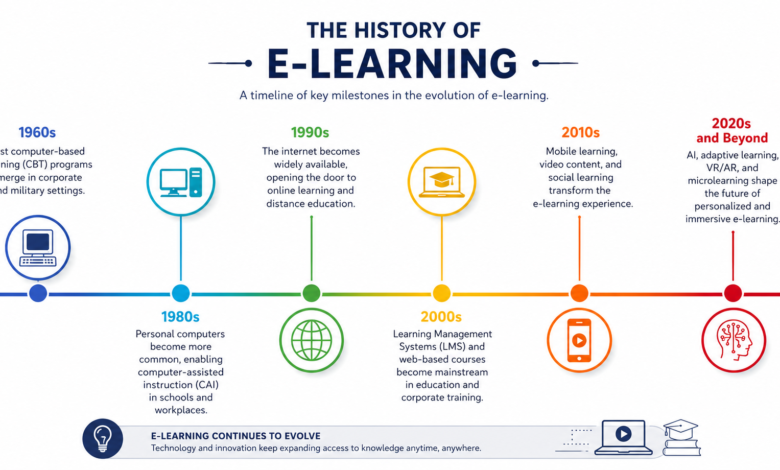
The landscape of education undergoes a profound transformation every decade, yet the shift toward digital platforms feels more permanent than previous transitions. In the past, learning happened within four walls, dictated by rigid schedules and physical textbooks. Today, the internet turns the world into a classroom, offering flexibility that once seemed impossible. This move toward e-learning creates new challenges for students who must navigate a vast sea of information while maintaining academic standards. As the digital model matures, a specific market demand emerges: the need for personalized, expert guidance to bridge the gap between complex curricula and individual mastery.
The Shift in Educational Delivery
Traditional schooling functioned on a broadcast model. A professor delivered information, and students consumed it. If a student struggled with a concept, the window for clarification was limited to office hours or a brief conversation after class. E-learning disrupts this dynamic. Now, students access lectures at midnight, participate in global forums, and submit tasks from halfway across the globe. This accessibility is a double-edged sword. While it opens doors, it also requires a higher level of self-regulation and deeper comprehension of intricate subjects.
Because students operate in a fast-paced environment, they often reach a point where they need specific clarification. The sheer volume of material means that general resources rarely suffice. This is where modern learners find themselves navigating sophisticated topics without a direct line to an instructor who understands their specific struggle. Consequently, the demand for targeted support grows, moving beyond simple tutoring toward comprehensive assistance that mirrors the rigor of the university experience. As students prepare for internships, graduate programs, and future career opportunities, tools like the Adobe Express free resume builder can help them present their academic achievements and skills in a professional format.
Why Specialization Matters in Modern Academic Assistance
General knowledge is abundant; specific expertise is rare. In the current academic climate, students handle subjects that require precise technical knowledge. A student studying business administration, for example, faces intricate case studies that require real-world application, not just theoretical recall. They need mentors who understand the nuances of the industry. This is why professional academic support has moved from a “one-size-fits-all” model to a highly specialized field.
When a student struggles with a business project, they do not benefit from a general tutor who has never navigated corporate strategy. They require a specialist. High-quality support systems now focus on connecting students with professionals who possess actual degrees and practical experience in the relevant discipline. This ensures that the guidance provided is not just correct, but industry-relevant and academically sound.
For those navigating the complexities of the Australian higher education system, finding the right support becomes a vital component of success. Many students rely on a professional assignment writing service Australia to ensure their work meets the stringent standards required by top-tier universities. This type of support provides a safety net, allowing learners to break down complex tasks into manageable segments while maintaining the integrity of their academic journey.
The Role of Technology in Personalizing Study
Technology does more than just host lectures; it enables personalization at scale. Adaptive learning software now identifies exactly where a student is struggling. If a learner fails to grasp a concept in statistics, the software adjusts the curriculum to provide extra examples or alternative explanations. However, software lacks the human empathy and creative insight required for high-level research and writing tasks.
Academic support services fill this technological gap. By combining digital efficiency with human expertise, these services provide a holistic approach to education. Consider the field of management, which requires a blend of leadership theory and practical decision-making. Students often find themselves overwhelmed by the sheer scale of the requirements. A dedicated management assignment helper provides the necessary context to turn theory into practice, offering guidance that helps students grasp the material rather than just memorizing it for an exam.
This synergy between digital tools and expert human assistance creates a robust learning environment. It allows students to focus on deeper understanding, experimentation, and critical thinking—the very skills that employers value once the student leaves the academic environment.
Navigating the Future of Academic Excellence
As we look toward the coming years, the demand for specialized support will only increase. Universities are raising the bar, expecting students to produce work that demonstrates original thought and technical proficiency. This makes the ability to curate resources and access expert help a necessary skill for the modern student. It is no longer enough to just attend classes; one must actively manage the learning process.
Students who succeed in this environment are those who view academic assistance as a partnership. They utilize these services to refine their ideas, structure their arguments, and ensure their submissions are polished to a professional standard. This proactive approach transforms the pressure of deadlines into an opportunity for growth. By engaging with professionals who have mastered the field, students develop their own expertise, effectively shortening the path from learner to practitioner.
Ultimately, the evolution of e-learning is about empowering the individual. It is about removing the barriers that prevent students from reaching their full potential. Whether it is through advanced research support, structural guidance, or conceptual breakdown, the goal remains the same: to provide the foundation upon which academic success is built. As digital education continues to reshape our world, the importance of reliable, expert-driven support will only become more pronounced, serving as the essential bridge to professional excellence.
Conclusion
The rapid shift toward digital education has fundamentally changed the way knowledge is consumed and assessed. While technology provides the platform for this new era of learning, it is the addition of specialized, human-centered support that ensures true academic growth. By moving beyond traditional self-study and embracing a collaborative approach, students can navigate the rising expectations of university life with confidence.
The future of education belongs to those who recognize that mastering complex subjects requires more than just access to information—it requires the right guidance, a strategic mindset, and the courage to utilize expert resources. As the academic landscape continues to evolve, the bridge between effort and excellence will remain the ability to connect with the right support at the right time.