

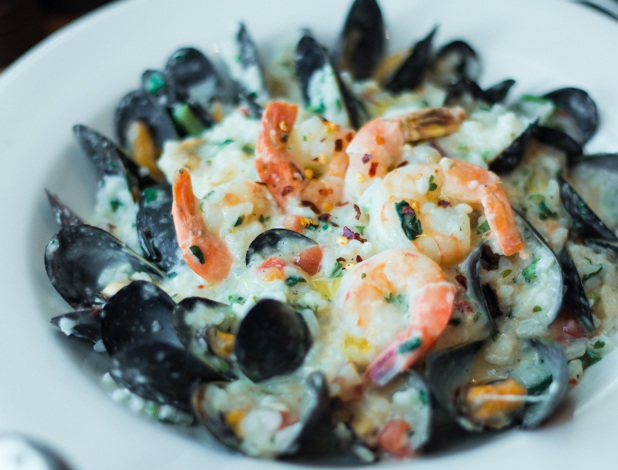
Choosing a restaurant for a group meal involves more than finding food that most people enjoy. The menu needs enough variety for different preferences, portions should be practical to share, and the setting should allow conversation without making the meal feel rushed. Italian cuisine often works well in this situation because its traditional format includes pasta, vegetables, seafood, meats, breads, and desserts, creating several ways to build a meal.
An Italian restaurant can suit occasions ranging from casual family dinners to business gatherings. Understanding what to look for helps diners evaluate a restaurant based on food quality, menu structure, service, atmosphere, and practical arrangements instead of relying solely on reputation.
Start With the Menu Structure
A useful menu should provide balance rather than simply offering a long list of dishes. Traditional Italian cooking includes many regional styles, so menus can differ considerably in ingredients, preparation, and portion sizes.
For groups, shared starters can provide an easy beginning. Salads, roasted vegetables, antipasti, and other small plates allow guests to sample different flavours before choosing a main course. Pasta and risotto can provide filling options, while seafood, poultry, and meat dishes offer alternatives for people who want something different.
When evaluating an Italian restaurant, check whether the menu clearly identifies ingredients and whether dishes can accommodate common dietary requirements. Asking about substitutions is particularly useful for guests managing allergies or specific dietary restrictions.
Consider How the Food Is Prepared
Italian cuisine relies heavily on ingredient quality and straightforward preparation. Pasta should be cooked appropriately for its intended sauce, while sauces should complement rather than overwhelm the primary ingredients. Risotto requires controlled cooking to develop its characteristic creamy consistency without becoming excessively soft.
Pizza, where offered, also varies according to regional tradition, dough formulation, cooking temperature, and topping combinations. These differences mean that the word “Italian” alone does not describe one standardized cooking method.
A thoughtful Italian restaurant should therefore be assessed by the consistency of its preparation, freshness of ingredients, and clarity about how dishes are made. Guests can learn more by asking servers about house specialties, seasonal ingredients, or dishes prepared to order.
Look Beyond the Main Course
Dessert and beverages can shape the final impression of a meal. Italian desserts may include tiramisu, panna cotta, gelato, or regional pastries, although availability differs between restaurants.
For groups, dessert sharing can be practical because several people can sample smaller portions. Coffee or espresso can also provide a natural conclusion to a long meal without unnecessary complexity.
Evaluate the Dining Environment
Atmosphere matters when a restaurant is being considered for a celebration or professional gathering. Seating arrangement, noise levels, accessibility, table spacing, and service pace can influence whether guests remain comfortable throughout the meal.
For larger groups, it is worth asking whether tables can be arranged together and whether advance notice is required. A restaurant may also have different policies for deposits, minimum spending, menu selection, or large-party service.
Plan Group Meals in Advance
Large gatherings benefit from early planning. Confirm the number of guests, preferred dining time, dietary restrictions, and whether children will attend. Sharing these details in advance can help the kitchen and service team prepare appropriately.
For events where guests will not dine in the restaurant, catering in Windsor may require additional considerations such as pickup timing, transportation, food holding temperatures, serving equipment, and portion planning. These practical details can affect food quality just as much as menu selection.
Conclusion
The strongest group dining experiences usually combine varied food with predictable service and a comfortable environment. Guests should be able to choose dishes according to appetite without feeling limited by an overly narrow menu.
In conclusion, selecting an Italian restaurant for group dining is easier when the decision considers menu diversity, preparation methods, dietary flexibility, seating, service, and event logistics. A well-planned meal allows guests to enjoy familiar Italian flavours while still accommodating different preferences. For larger celebrations or gatherings, advance communication with the restaurant can make the experience more organized, comfortable, and enjoyable.