
A warm, bronzed glow can feel like the finishing touch for a summer gathering, a vacation, a wedding, or simply a confidence boost during a Michigan winter. For people considering tanning in Mattawan, MI, it helps to separate the cosmetic goal of deeper-looking color from the practical need to care for skin year-round.
There is no single best approach for everyone. Body makeup offers fast, temporary coverage, gradual tanners create subtle color over time, and sunless applications can provide a more defined result for an upcoming occasion. The right choice depends on your desired shade, schedule, skin sensitivity, and willingness to maintain the result.
Why a Bronzed Look Appeals
A little added warmth can make skin look more even in photographs and complement seasonal clothing, whether you are preparing for a lakeside weekend or a special event around Mattawan. A bronzed appearance does not have to come from intentional sun exposure. Cosmetic color can be adjusted from barely noticeable to more dramatic, which gives you greater control over the final look.
Start by deciding whether you want color for one day, several days, or a gradual change. That simple decision narrows the options and helps avoid applying more product than you actually need.
How Sunless Color Works
Many sunless products use DHA, or dihydroxyacetone, which reacts with dead cells in the skin’s outer layer to create a tan-like surface color. The FDA explains that DHA-based sunless color typically lasts several days because those outer skin cells naturally shed over time. It does not stimulate melanin in the way ultraviolet exposure does.
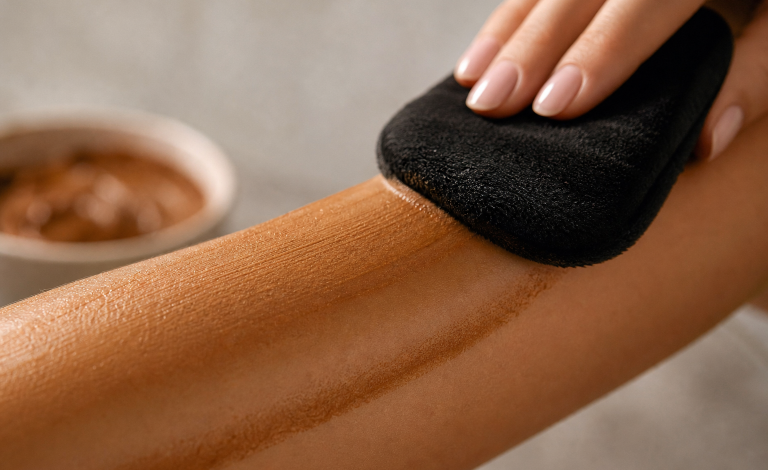
- Bronzer or body makeup: Adds immediate color and usually washes away with cleansing.
- Gradual tanning lotion: Builds a softer result through repeated applications.
- Self-tanning mousse, lotion, or drops: Develops into a more noticeable color after the recommended processing time.
- Sunless spray application: Can be useful when even coverage or event timing is a priority.
Follow the label carefully, especially around the eyes, lips, nose, and other sensitive areas. Sunless color is cosmetic color, not sun protection.
Comparing Bronzing Options
- Choose body makeup for a one-day event, quick touch-ups, or coverage that you can remove afterward. Allow time for it to dry, since some formulas may transfer to fabric.
- Choose a gradual tanner if you are new to sunless color or want a modest, buildable effect. Consistency matters more than using a heavy amount at once.
- Choose a self-tanner for a deeper, at-home color that lasts several days. Careful blending is especially important around joints and dry patches.
- Choose a professional sunless application for even coverage before photographs, celebrations, or travel.
- Be cautious about indoor or outdoor UV tanning because a tan is evidence that the skin is responding to UV exposure, not proof that it is protected from future damage.
Why UV Protection Still Matters
Self-tanners do not replace sunscreen, and a base tan does not prevent sunburn. The American Academy of Dermatology recommends broad-spectrum, water-resistant sunscreen with SPF 30 or higher, along with shade and protective clothing when you spend time outdoors.
Apply sunscreen to exposed skin before going outside, then reapply according to the product directions, particularly after swimming or sweating. A wide-brimmed hat, UV-protected sunglasses, and lightweight long sleeves can provide useful protection during bright afternoons, including on cloudy days.
How to Prepare Your Skin
Smoother preparation usually leads to a more even-looking sunless color. Plan ahead rather than rushing immediately before you apply.
- Exfoliate gently about 12 to 24 hours before application.
- Give extra attention to elbows, knees, ankles, heels, and other rough areas.
- Remove unwanted hair before applying color, rather than immediately afterward.
- Begin with clean, fully dry skin.
- Use a small amount of moisturizer on especially dry areas.
- Patch test a new product if you have sensitive skin or a history of cosmetic reactions.
Avoid aggressive scrubbing. Over-exfoliation can leave skin dry or irritated, which may make the color apply less evenly.
Step-by-Step Application
- Work in sections, such as legs, arms, torso, and back.
- Apply a thin, even layer and build color gradually if needed.
- Use less product around knees, elbows, wrists, ankles, and knuckles.
- Use an application mitt when the product directions call for one.
- Wash your hands after each section, then lightly blend color over them if desired.
- Let the product dry fully before dressing in loose, dark clothing.
- Wait the recommended development time before showering.
Do Not Forget the Face
Facial skin can be more reactive than body skin. A formula designed for the face may be a better fit, especially for people who are prone to clogged pores or irritation.
Common Mistakes to Avoid
- Applying too much product to dry patches.
- Skipping hands and feet completely, which can leave visible color lines.
- Using a thick layer on knees, elbows, or knuckles.
- Putting on tight clothing before the product has dried.
- Assuming a self-tanner contains sunscreen.
- Applying color over broken, irritated, or freshly shaved skin.
- Using old products with changed texture, odor, or expired labeling.
- Using tanning pills or other unapproved products that promise instant results.
How to Maintain Even Color
Aftercare affects how a bronzed look fades. Moisturize regularly once the color has developed, use gentle cleansers, and pat skin dry instead of rubbing with a towel. When fading becomes uneven, light exfoliation followed by a gradual tanner can look more natural than adding a dark layer over patchy color.
For a weekend event, consider applying color a few days in advance. Check the result in natural light, then make small adjustments instead of waiting until the last minute.
When to Ask a Professional
Consider professional guidance if you have sensitive skin, recurring rashes, known cosmetic allergies, or questions about achieving an even shade. For spray applications, ask about ventilation and eye, nose, mouth, and ear protection. A dermatologist should evaluate changing moles, unusual spots, or irritation that does not resolve.
Final Takeaway
A polished bronzed look can come from temporary makeup, gradual color, self-tanner, or a sunless application. The most skin-conscious plan is to treat cosmetic color and UV exposure as separate choices. Prepare carefully, follow product directions, build color patiently, and keep sunscreen as part of your everyday routine in Mattawan, MI.