

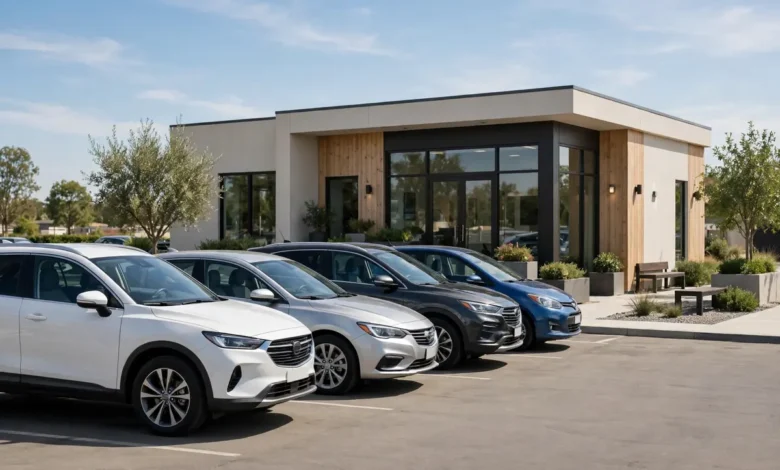

Starting a rental company can be attractive because consumers, tourists, business travelers, and local residents all need temporary transportation for different reasons. However, learning how to start a car rental business involves much more than purchasing several vehicles and accepting bookings. Operators need to evaluate local demand, choose a business model, arrange insurance, control vehicle costs, build reservation processes, manage maintenance, and create clear rental policies. The strongest businesses are usually built around disciplined operations and accurate financial planning rather than fleet size alone. A structured launch plan can help new owners avoid expensive mistakes while building a rental operation that can grow sustainably.
Decide What Type of Rental Business You Want to Build
The first step is defining the market you intend to serve.
Car rental businesses can operate in several niches, including:
- Daily economy rentals
- Luxury vehicles
- Exotic cars
- Airport rentals
- Long-term rentals
- Corporate transportation
- Replacement vehicles
- Vans and SUVs
- Peer-to-peer style rentals
Anyone researching how to start a car rental business should avoid trying to serve every customer segment immediately.
A focused niche makes it easier to choose vehicles, develop pricing, target marketing, and create operating procedures.
For example, a business serving corporate travelers may prioritize newer sedans and efficient pickup processes, while an adventure-focused rental company may require SUVs or specialty vehicles.
Research the Local Market
Demand can vary substantially by location.
A tourist destination may experience strong seasonal rentals, while a business district could generate more weekday demand. Areas near airports, universities, convention centers, and major employers may have different customer patterns.
Market research should examine:
- Existing competitors
- Average rental rates
- Vehicle categories in demand
- Seasonal fluctuations
- Airport and tourism activity
- Local population
- Corporate travel demand
- Customer reviews of competitors
Understanding how to start a car rental business successfully requires identifying an unmet need rather than assuming that general demand for vehicles will guarantee bookings.
Competitor reviews can be particularly useful because they may reveal recurring customer complaints involving deposits, vehicle cleanliness, availability, or slow pickup procedures.
Create a Detailed Business Plan
A business plan forces owners to think through the economics before making large purchases.
The U.S. Small Business Administration also publishes step-by-step guidance on planning, registering, and funding a new business, which is worth reviewing alongside the plan.
Important sections should include:
- Target customer
- Fleet size
- Startup costs
- Financing
- Expected utilization
- Rental pricing
- Insurance expenses
- Maintenance costs
- Staffing
- Marketing budget
- Revenue projections
When learning how to start a car rental business, pay particular attention to vehicle utilization.
A vehicle only generates rental revenue while it is booked, but expenses such as financing, depreciation, registration, and insurance may continue every day.
Profitability therefore depends heavily on keeping vehicles rented at sustainable rates.
Choose the Right Business Structure
A rental company should operate through an appropriate legal business structure.
The options available will depend on jurisdiction and may include structures such as sole proprietorships, partnerships, limited liability companies, or corporations.
The choice can affect:
- Taxes
- Ownership
- Personal liability
- Reporting requirements
- Financing
- Administrative obligations
Because rental businesses involve vehicles, customers, accidents, and contractual risk, professional legal and accounting guidance can be useful when deciding how the business should be organized.
Registration, licensing, tax, and local business requirements should also be researched before accepting customers.
Build the Fleet Carefully
Vehicles are usually the largest investment in a rental business.
Buying too many cars before demand has been established can create substantial financial pressure.
A better approach may be to begin with a manageable fleet and expand based on actual utilization.
When choosing vehicles, consider:
- Purchase price
- Reliability
- Fuel economy
- Maintenance expense
- Insurance cost
- Depreciation
- Resale value
- Customer demand
- Parts availability
Strong car fleet management is essential because the most impressive fleet will still lose money if maintenance, utilization, fuel, and depreciation are poorly controlled.
Standardizing some vehicle models may also make maintenance and parts management easier.
Understand Vehicle Financing and Depreciation
Rental operators need to understand the true cost of owning each vehicle.
The purchase price is only the beginning.
Other costs may include:
- Loan interest
- Registration
- Taxes
- Insurance
- Maintenance
- Tires
- Cleaning
- Depreciation
Depreciation deserves particular attention because vehicles lose value over time and through mileage accumulation.
When determining how to start a car rental business, calculate the expected lifetime revenue of each vehicle and compare it with its full ownership cost.
A car that generates high daily rates may still be unprofitable if depreciation and maintenance are excessive.
Arrange Appropriate Insurance
Insurance is one of the most important operational considerations.
Personal auto insurance is generally not designed for vehicles being rented commercially to customers.
Rental businesses need insurance appropriate to their activities, vehicles, jurisdiction, and risk exposure.
Coverage requirements may involve:
- Commercial auto insurance
- Liability coverage
- Physical damage protection
- Business insurance
- Employee-related coverage where applicable
Owners should work with an insurance professional familiar with rental fleets.
Policy exclusions and driver requirements should be understood before the first rental begins.
Develop a Clear Rental Agreement
Rental agreements establish expectations between the business and customer.
The agreement should clearly explain important policies such as:
- Rental duration
- Mileage limits
- Fuel requirements
- Security deposits
- Late returns
- Additional drivers
- Age requirements
- Smoking policies
- Cleaning charges
- Damage responsibility
- Prohibited uses
Someone learning how to start a car rental business should have rental contracts reviewed for compliance with applicable local laws.
Ambiguous agreements can create disputes about charges, damage, or responsibilities after a vehicle is returned.
Use Technology to Manage Reservations
Spreadsheets may work for a very small fleet, but they become difficult to manage as bookings increase.
Modern car rental software can help centralize operational information such as:
- Vehicle availability
- Reservations
- Customer profiles
- Rental agreements
- Payments
- Maintenance reminders
- Vehicle status
- Rate management
Automation can reduce double bookings and administrative errors.
A well-organized reservation system also makes it easier for employees to know which vehicles are available, rented, reserved, being cleaned, or undergoing maintenance.
Create a Vehicle Inspection Process
Every rental should include documented vehicle inspections.
Before releasing the vehicle, employees should record its condition and identify existing damage.
The same process should occur after returning.
Inspection records can include:
- Photographs
- Video
- Mileage
- Fuel level
- Tire condition
- Exterior damage
- Interior condition
- Warning lights
A consistent process protects both the rental business and the customer by creating a clear record of vehicle condition.
Build a Preventive Maintenance Program
Rental vehicles often accumulate mileage faster than privately owned cars.
Preventive maintenance is therefore critical.
Maintenance schedules should track:
- Oil changes
- Tires
- Brakes
- Batteries
- Fluids
- Filters
- Inspections
- Manufacturer-recommended service
When considering how to start a car rental business, maintenance should be treated as a planned operating expense rather than an occasional emergency cost.
Taking a vehicle temporarily out of service for preventive maintenance is usually better than dealing with a breakdown during a customer’s rental.
Set Prices Based on Costs and Demand
Rental pricing should account for both operating costs and market conditions.
Rates may vary according to:
- Vehicle category
- Day of week
- Season
- Rental duration
- Local events
- Demand
- Competitor pricing
Additional revenue may come from optional services, but fees should always be clearly disclosed.
Avoid setting rates solely by copying competitors.
A competitor may have different financing costs, fleet acquisition prices, utilization levels, or insurance expenses.
Each vehicle needs to generate enough revenue to cover its own operating costs and contribute to business overhead.
Plan for Cleaning and Vehicle Turnaround
Fast turnaround can increase utilization.
Once a vehicle returns, it may need to be inspected, refueled or recharged, cleaned, and prepared before the next reservation.
Create a consistent process for:
- Return inspection
- Damage documentation
- Mileage recording
- Fuel verification
- Interior cleaning
- Exterior cleaning
- Maintenance checks
- Release for the next booking
Efficient turnaround becomes increasingly important as the fleet grows.
Poor coordination may leave vehicles sitting unavailable even when customers are waiting to rent them.
Monitor the Right Performance Metrics
Successful rental operators should know how every vehicle is performing.
Useful metrics include:
- Fleet utilization rate
- Revenue per vehicle
- Average daily rate
- Maintenance cost per vehicle
- Revenue per available rental day
- Customer acquisition cost
- Damage expense
- Vehicle downtime
Data helps answer whether the fleet should grow, shrink, or change composition.
For someone learning how to start a car rental business, tracking these metrics from the beginning is easier than trying to reconstruct them after the operation becomes larger.
Expand Only When Demand Supports It
Growth should be driven by consistent demand rather than the desire to own more vehicles.
Before buying another car, ask:
- Are existing vehicles regularly booked?
- Are customers being turned away?
- Which vehicle categories have the highest utilization?
- Can cash flow support another payment?
- Is there enough maintenance capacity?
- Will insurance costs change?
Expansion should improve profitability rather than simply increase fleet size.
A smaller fleet with strong utilization can often perform better financially than a large fleet with many idle vehicles.
Conclusion
Building a successful rental company requires careful planning across vehicle acquisition, insurance, pricing, maintenance, contracts, customer service, and daily operations. Owners should understand their market and know the full cost of each vehicle before expanding the fleet. As the operation grows, choosing appropriate software for car rental can help centralize reservations, vehicle availability, maintenance information, customer records, and operational reporting, making a larger fleet easier to manage. Learning how to start a car rental business ultimately means learning how to manage assets efficiently. Owners who combine disciplined purchasing, reliable maintenance, strong operational systems, and data-driven decisions are better positioned to build a rental business that can remain sustainable as demand and fleet size increase.
Related Guides
- How to Start a Car Rental Company: A Step-by-Step Guide for Entrepreneurs
- Creating NOI Without Rent Growth in Multifamily Real Estate
- What Homebuyers Should Know Before Relocating to a New State
- What to Know Before Relocating for a Better Real Estate Market
- What to Look for in Luxury Rental Apartments in Lake Worth
- A Buyer’s Guide to Booking Pocono Ski Cabin Rentals for Groups
- Drive the Extraordinary: Why Supercar Rental in Dallas Is Growing in Popularity
- Hire Mercedes Maybach Rental in Dubai: Experience Luxury Travel in Dubai
Related Reading
For a branding idea that can help a new business stand out, our article Embroidered Hats as a Stylish and Practical Branding Choice looks at a stylish and practical option.
If you are setting up a creative space for your business, How to Choose a Photo Studio Rental in New York City offers practical points to consider.
Related Reading
If you are comparing transport options instead, see Best Taxi Service in Guyana: What to Look for When Choosing Reliable Transportation.