
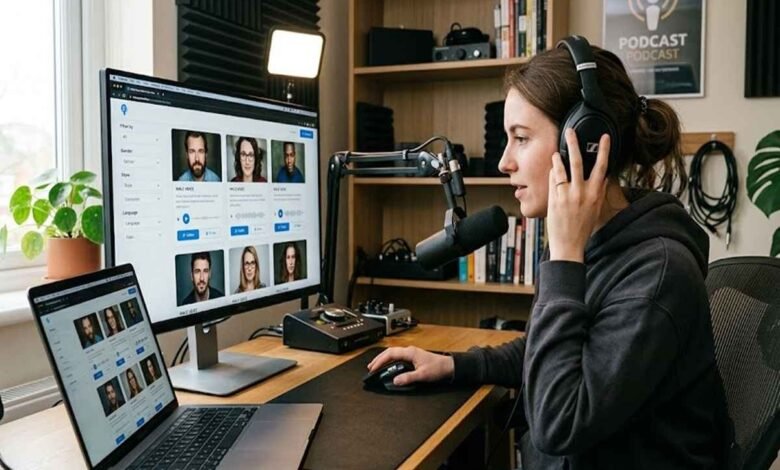
Podcast production has grown into a highly competitive space over the past few years. Thousands of new shows are launched every month across different platforms. Because of this growth, creators are under more pressure than ever to improve audio quality, storytelling strength, and overall listener experience. Good content alone is no longer enough. Presentation now plays a major role in whether a podcast succeeds or gets ignored.
One of the biggest changes in this space is the increased focus on voice talent. Many podcasts are still hosted only by their creators, but a growing number now include additional voice work. This can include narrated introductions, character voices, scripted storytelling segments, and professionally recorded advertisements. These elements help make episodes more engaging and polished, especially for audiences who expect high production value.
As a result, podcast creators are spending more time trying to find voice talent that fits their content style, audience expectations, and brand tone. The process is not just about finding a pleasant voice anymore. It is about finding the right match for storytelling, emotion, and consistency across episodes.
Why Traditional Hiring Methods Slow Things Down
Many podcast teams still rely on social media posts or general freelance websites when searching for voice actors and narrators. This approach can sometimes work for finding talent, but the results are often inconsistent and unpredictable. Creators may end up with applicants who do not match the tone or style of their podcast. As a result, the selection process becomes time-consuming and inefficient.
Creators often receive dozens of unrelated applications that do not fit their specific project needs. They may spend hours listening to samples that vary widely in quality and relevance. For small podcast teams, this creates an extra burden on top of editing, publishing, and marketing tasks. The overall workflow becomes harder to manage and slows down production.
Because of these challenges, some creators now prefer using a dedicated podcast voice casting platform instead. This platform makes it easier to organize, filter, and discover audio-focused talent. It also helps match voice actors more accurately with the tone and requirements of each show. This leads to a more efficient and streamlined casting process.
The Growing Demand for Specialized Voices
Podcast content has become more diverse, and this has created a demand for more specialized voice talent. There is no single type of voice that works for all podcasts. Instead, different genres require different vocal styles and delivery approaches.
For example, a true crime podcast often needs a serious and controlled narration style that builds tension and atmosphere. A business podcast usually requires a clear, confident, and professional tone that sounds trustworthy. Entertainment or fictional podcasts may need multiple voices to portray different characters and bring stories to life.
This has led to a wider range of expectations from voice actors. Creators are no longer just looking for a “nice voice,” but for specific performance styles that fit their format.
Some commonly requested voice styles include:
- Documentary narration
- Conversational hosting
- Character acting
- Corporate explanation tone
This growing specialization has encouraged the use of more focused casting methods. Instead of browsing through large general platforms, creators prefer access to curated voice talent pools where they can quickly find people who already match their project type.
This approach helps reduce production delays and improves consistency across multiple episodes, especially for long running podcast series.
Why Audio Quality Matters More Than Ever
Listener expectations have increased significantly in recent years. With so many high quality podcasts available, audiences quickly lose interest in content that sounds unprofessional or poorly delivered. Even if the topic is interesting, weak audio can reduce engagement and cause listeners to skip episodes.
Voice quality plays a major role in this experience. A strong vocal performance can make content more engaging, easier to follow, and more emotionally impactful. On the other hand, unclear or inconsistent narration can make even good scripts feel flat or difficult to enjoy.
Creators now focus more on several important factors when choosing voice talent:
Clear pronunciation and smooth delivery are essential for listener comfort. Tone consistency is important for maintaining mood across an episode. Reliability also matters, especially when working on regular publishing schedules. Good communication and fast turnaround times help keep production on track.
Even small improvements in narration can make a noticeable difference in how professional a podcast feels. A well delivered introduction can capture attention early, while a weak one can cause listeners to leave within the first minute.
How Technology Is Improving Voice Talent Discovery
Technology has made it much easier for podcast creators to find and hire voice talent. Instead of relying only on freelance websites or manual searches, many creators now use platforms built specifically for audio production and casting.
These platforms help simplify the process by organizing voice talent into searchable categories. Creators can filter based on accent, tone, experience level, and style. This makes it easier to find suitable voices without spending hours reviewing unrelated profiles.
Many modern tools also include faster communication features, allowing creators to directly connect with voice actors and request custom samples before making a decision. This reduces uncertainty and helps ensure better matches.
In many cases, creators can post a project and receive relevant voice submissions quickly, which speeds up production significantly compared to traditional methods.
Final Thoughts
Podcasting has become a competitive and fast moving industry where production quality matters as much as content quality. Voice talent now plays a central role in shaping how a podcast is experienced by listeners. It is no longer just a supporting element, but a key part of storytelling and branding.
Traditional hiring methods are often too slow and inefficient for modern podcast workflows. They require too much time for searching, filtering, and communication. In contrast, more focused and technology driven solutions make it easier to find the right voices quickly and reliably.
As the industry continues to grow, creators who adopt more efficient voice talent discovery methods will have a clear advantage. They will be able to produce higher quality episodes, maintain consistency, and focus more on creative development rather than administrative hiring tasks.